Cas: N.A
News
The Professional manufacturer of Silicones、 Silanes 、 Silicone Additives & Polymers
 Jan. 30, 2026
Sourcing methyltrichlorosilane internationally can be complicated. Many businesses face risks that can affect their supply chain. These risks include supplier trustworthiness, quality control, and compliance with international regulations. Understanding these challenges is key for any company looking to import this important chemical. In this article, we will explore the common risks associated with sourcing methyltrichlorosilane and provide practical insights to mitigate these issues. 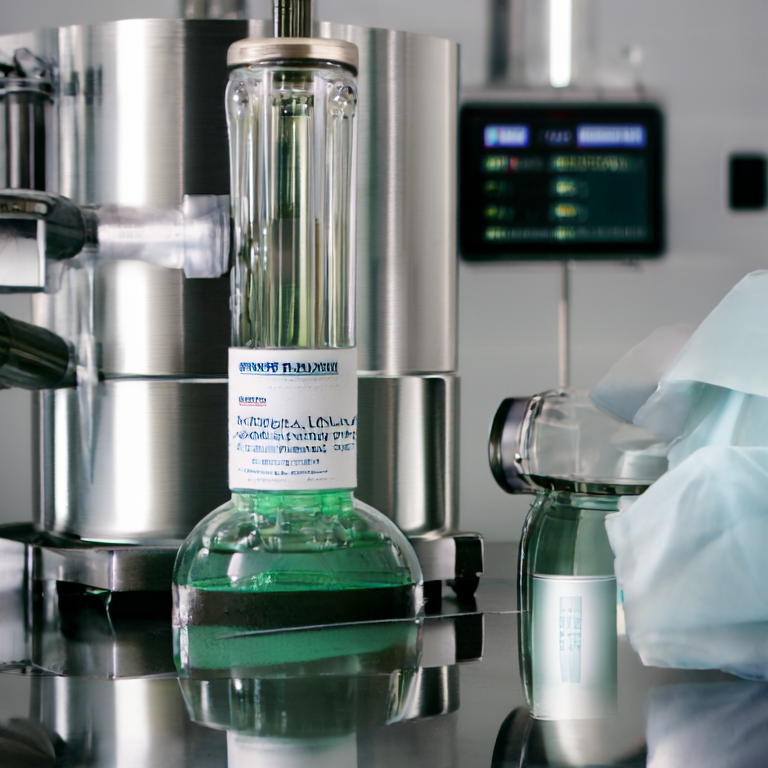
The common risks when sourcing methyltrichlorosilane internationally include supplier credibility, quality issues, regulatory compliance, currency fluctuations, and shipping delays. Understanding these risks is essential for effective sourcing.
To ensure a successful transaction, it is crucial to be aware of specific risks when dealing with international suppliers. Here are the primary risks involved:
Most companies face challenges in verifying supplier legitimacy.
Quality control can vary widely.
Each country has distinct regulations affecting chemical imports.
The reliability of suppliers is crucial. Ensure your supplier has a proven track record. In some cases, conducting a background check can help.
Quality inconsistency can lead to project delays and costs. Establish clear quality standards before completing a purchase.
Adhering to laws is non-negotiable. Non-compliance can result in severe penalties.
Financial risks exist with currency changes affecting pricing.
Logistical setbacks can hinder timely delivery.
Sourcing methyltrichlorosilane internationally poses several risks. Understanding factors like supplier credibility, quality assurance, regulatory compliance, currency fluctuations, and shipping logistics can greatly reduce these risks. By being informed and prepared, businesses can successfully navigate the complexities of international sourcing.
What is methyltrichlorosilane used for?
How can I verify the credibility of a supplier?
What should I do if there are quality issues with my shipment?
Are there specific regulations for importing chemicals?
How can currency fluctuations affect my sourcing costs?
Ready to Get Started?
Contact Hocon Organic Silicon Product suppliers today to bring your idea or design to life sooner!
Please complete the contact form and we aim to get back to you within 24 hours.
Related Products


Cas: N.A
Bis-Aminosilane Polymers are a class of organosilicon compounds characterized by dual amino functional groups (−NH 2−NH 2 or −NHR−NHR) attached to a silane backbone.
Cas: 63148-62-9
Our silicone conformal coating is a high-performance, solvent-based protective layer designed to safeguard electronic components against moisture, dust, chemicals, and temperature extremes. Ideal for printed circuit boards (PCBs), connectors, and sensitive electronics, it provides reliable insulation and long-term durability while maintaining flexi
Cas: 14808-60-7
Silica microspheres, also known as spherical silica powder, are high-purity, fine particles composed primarily of silicon dioxide (SiO₂) with a spherical morphology.
Our Market
Hocon International Co., Ltd. was established in 2015, is a manufacturer specializing in silicone products. Its product varieties include: organosilanes, silicone resin, silicone oil, modified silicone oil and their deep-processing products, the application fields of the products involve daily ...