Cas: N.A
News
The Professional manufacturer of Silicones、 Silanes 、 Silicone Additives & Polymers
 Feb. 25, 2026
Methyltrichlorosilane processing comes with various technical challenges. Understanding these common issues is essential for suppliers. Often, manufacturers face problems with purity, stability, and compatibility during production. These challenges can affect the quality of the final product. In this article, we will explore the typical technical issues in methyltrichlorosilane processing. We will also provide solutions to help navigate these problems effectively. 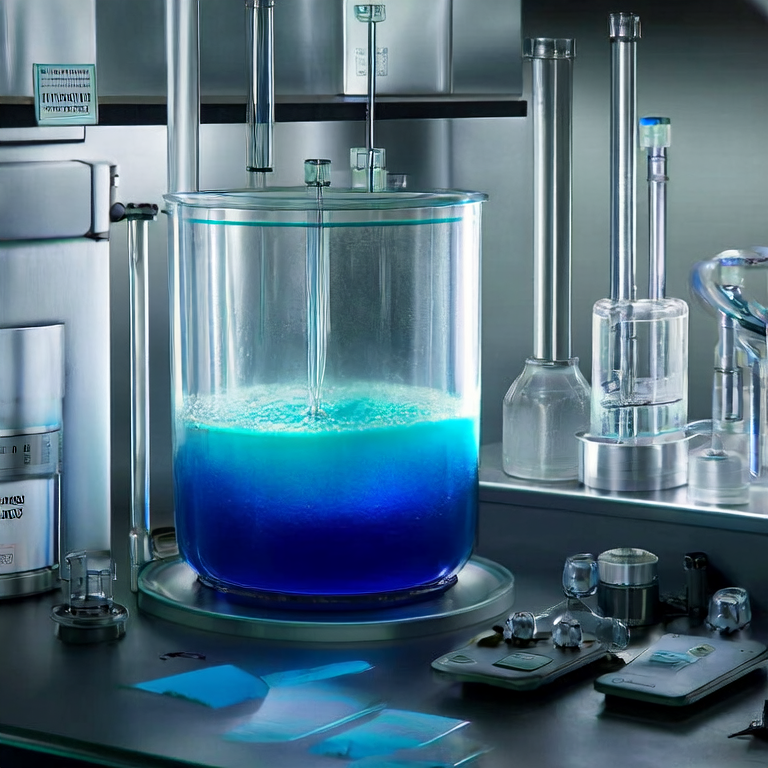
**The common technical issues in methyltrichlorosilane processing include contamination, equipment failure, and incorrect handling. Solutions involve strict quality control, regular maintenance, and proper training.**
Contamination can arise from raw materials or the environment. Especially in the methyltrichlorosilane process, this can lead to inferior product quality. A case study showed that even a small level of impurities can decrease performance in end-use applications. Businesses must maintain strict hygiene protocols to minimize risks of contamination.
Equipment that is not properly maintained can lead to breakdowns. It's crucial to regularly check and service machinery involved in methyltrichlorosilane processing. Statistics reveal that a significant number of delays in production are caused by unplanned equipment failures. Scheduled maintenance can prevent many of these issues.
Improper handling can lead to safety hazards. It's essential for workers to follow standard operating procedures. Training programs for employees can significantly reduce incidents related to chemicals. Safety data sheets must be available and understood by all staff involved.
Storing methyltrichlorosilane requires specific conditions. If storage is not appropriate, the product may degrade. Data indicates that maintaining the correct temperature and humidity levels is vital for the stability of the compound. Implementing a robust storage protocol can mitigate these risks.
Maintaining environmental conditions during processing is important. Fluctuations in temperature or humidity can impact the reaction process. Companies should invest in reliable monitoring systems to ensure conditions remain constant. This can help avoid batch failures and ensure overall quality.
In summary, understanding common technical issues in methyltrichlorosilane processing can lead to better product quality and safety. Regular checks, training, and proper handling are essential steps to improve the production process. By addressing these issues, suppliers can enhance their operations and deliver superior products.
Q1: What is methyltrichlorosilane used for?
A1: Methyltrichlorosilane is primarily used in the production of silicone polymers and as a silane coupling agent.
Q2: How can contamination be prevented in the process?
A2: Implementing strict hygiene protocols and using high-quality raw materials can significantly reduce contamination risks.
Q3: Why is equipment maintenance crucial?
A3: Regular maintenance prevents unexpected breakdowns that can lead to production delays.
Q4: What are the risks of incorrect chemical handling?
A4: Incorrect handling can pose safety hazards and lead to environmental risks.
Q5: How can the stability of methyltrichlorosilane be ensured?
A5: Proper storage conditions, including controlled temperature and humidity, are keys to maintaining product stability.
Q6: What monitoring systems are recommended?
A6: Reliable temperature and humidity monitoring systems can help maintain optimal processing conditions.
Ready to Get Started?
Contact Hocon Organic Silicon Product suppliers today to bring your idea or design to life sooner!
Please complete the contact form and we aim to get back to you within 24 hours.
Related Products


Cas: N.A
Bis-Aminosilane Polymers are a class of organosilicon compounds characterized by dual amino functional groups (−NH 2−NH 2 or −NHR−NHR) attached to a silane backbone.
Cas: 63148-62-9
Our silicone conformal coating is a high-performance, solvent-based protective layer designed to safeguard electronic components against moisture, dust, chemicals, and temperature extremes. Ideal for printed circuit boards (PCBs), connectors, and sensitive electronics, it provides reliable insulation and long-term durability while maintaining flexi
Cas: 14808-60-7
Silica microspheres, also known as spherical silica powder, are high-purity, fine particles composed primarily of silicon dioxide (SiO₂) with a spherical morphology.
Our Market
Hocon International Co., Ltd. was established in 2015, is a manufacturer specializing in silicone products. Its product varieties include: organosilanes, silicone resin, silicone oil, modified silicone oil and their deep-processing products, the application fields of the products involve daily ...