Cas: N.A
News
The Professional manufacturer of Silicones、 Silanes 、 Silicone Additives & Polymers
 Feb. 27, 2026
Methyltrichlorosilane is crucial in various industries. Understanding the differences between laboratory-grade and industrial-grade methyltrichlorosilane is essential. Laboratory-grade methyltrichlorosilane is often purer and more controlled than its industrial counterpart. This distinction can impact the results of scientific experiments. Industrial-grade types are typically produced in larger quantities and have different specifications. Knowing these differences can help businesses make informed choices. 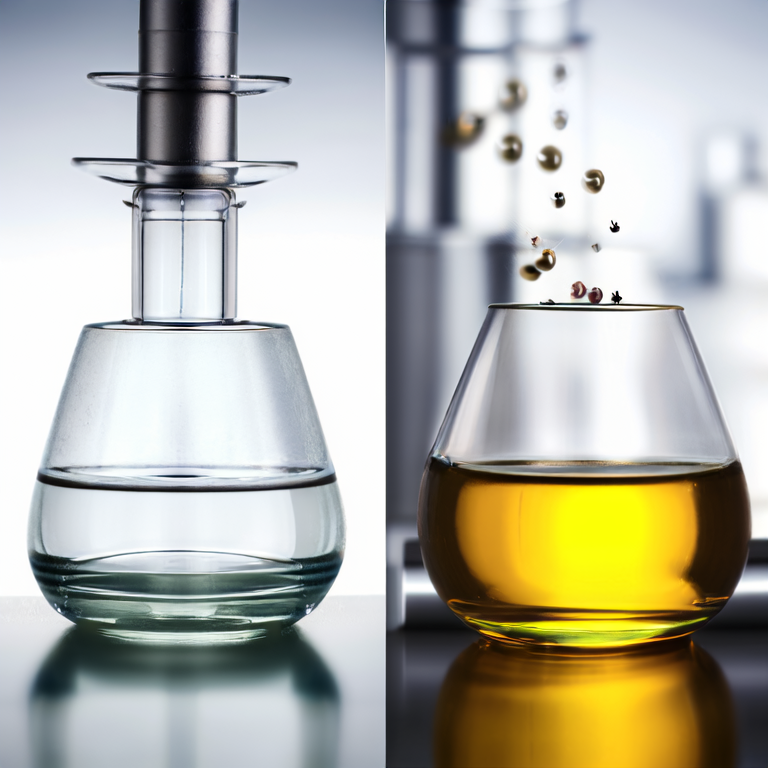
The main difference between laboratory-grade and industrial-grade methyltrichlorosilane is purity and application. Laboratory-grade is purer and suited for experiments. Industrial-grade is more suitable for manufacturing and larger-scale applications.
Laboratory-grade methyltrichlorosilane has a purity level of at least 99.9%. This high purity is crucial for scientific research. In contrast, industrial-grade may have lower purity, usually around 95% or less, which is acceptable for many manufacturing purposes.
Laboratory-grade methyltrichlorosilane is used in high-precision tasks such as silicon wafer production. Meanwhile, industrial-grade is utilized in bulk chemical manufacturing, semiconductor processing, and other commercial applications.
Laboratory-grade products undergo stringent testing protocols. Each batch is reviewed to ensure quality. However, industrial-grade does not always follow the same rigorous testing, leading to variable results.
Due to the higher purity and quality control, laboratory-grade methyltrichlorosilane is more expensive. Industrial-grade is cheaper as it is mass-produced and meets different regulations.
Laboratory-grade methyltrichlorosilane requires careful storage conditions, often needing safe containers and specific temperatures. Industrial-grade can be stored more freely but still requires adherence to general safety guidelines.
In summary, understanding the differences between laboratory-grade and industrial-grade methyltrichlorosilane is essential. Each type serves different purposes and offers various benefits depending on your needs. Awareness of purity, applications, and costs can guide you in choosing the right grade for your projects and business requirements.
Methyltrichlorosilane is mainly used in chemical manufacturing, especially in the production of silicones and silicone coatings.
Choose laboratory-grade for high-purity needs, such as scientific research, and industrial-grade for bulk production practices.
Yes, but proper safety equipment and protocols should be followed, as with any chemical substance.
Impurities in methyltrichlorosilane can lead to inaccurate research results or subpar product quality in manufacturing.
While it is possible, it is not recommended due to the potential for impurities affecting experimental outcomes.
Ready to Get Started?
Contact Hocon Organic Silicon Product suppliers today to bring your idea or design to life sooner!
Please complete the contact form and we aim to get back to you within 24 hours.
Related Products


Cas: N.A
Bis-Aminosilane Polymers are a class of organosilicon compounds characterized by dual amino functional groups (−NH 2−NH 2 or −NHR−NHR) attached to a silane backbone.
Cas: 63148-62-9
Our silicone conformal coating is a high-performance, solvent-based protective layer designed to safeguard electronic components against moisture, dust, chemicals, and temperature extremes. Ideal for printed circuit boards (PCBs), connectors, and sensitive electronics, it provides reliable insulation and long-term durability while maintaining flexi
Cas: 14808-60-7
Silica microspheres, also known as spherical silica powder, are high-purity, fine particles composed primarily of silicon dioxide (SiO₂) with a spherical morphology.
Our Market
Hocon International Co., Ltd. was established in 2015, is a manufacturer specializing in silicone products. Its product varieties include: organosilanes, silicone resin, silicone oil, modified silicone oil and their deep-processing products, the application fields of the products involve daily ...