Cas: N.A
News
The Professional manufacturer of Silicones、 Silanes 、 Silicone Additives & Polymers
 Feb. 24, 2026
Methyltrichlorosilane is a crucial chemical in many industrial applications. However, many people do not understand how it compares with other chlorosilanes. This lack of knowledge can lead to poor decisions when choosing a supplier. Understanding these differences is essential to select the right product for your needs. In this article, we will explore the differences between methyltrichlorosilane and its alternatives. You will learn about their uses, properties, and potential costs.
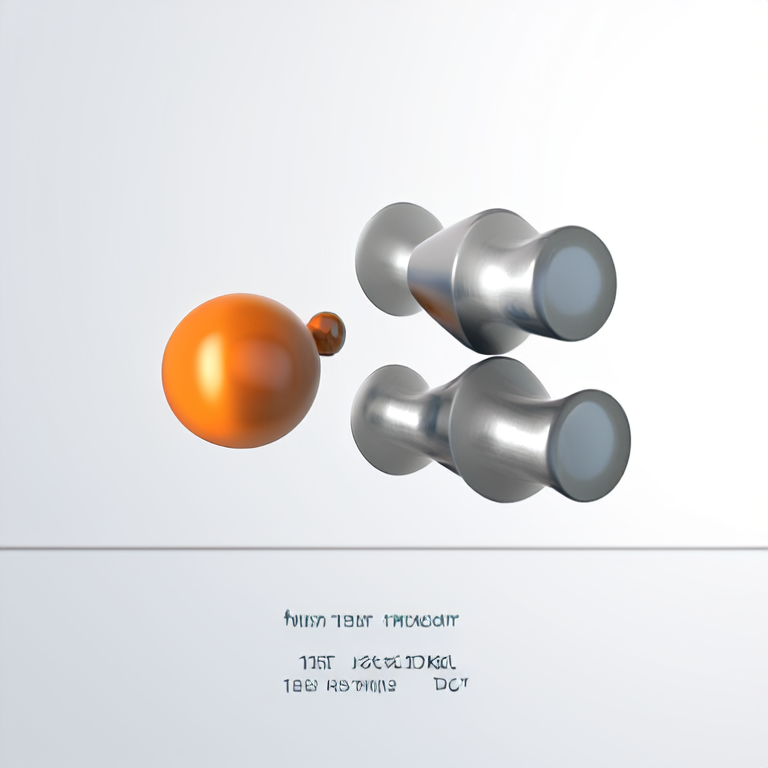
The main differences between methyltrichlorosilane and other chlorosilanes lie in their chemical structure and reactivity. Methyltrichlorosilane is less reactive than other chlorosilanes, making it more stable in various applications. This stability often results in cost-effective solutions when used in manufacturing and other industrial processes.
The chemical structure is the foundation for how each chlorosilane behaves. Methyltrichlorosilane has one methyl group and three chlorine atoms. In contrast, other chlorosilanes may have different arrangements.
Methyltrichlorosilane reacts less easily compared to other chlorosilanes. For example, it does not polymerize as quickly. This means it can be stored longer without degrading.
Methyltrichlorosilane is popular in producing silicone compounds. Additionally, it is used in coatings and surface treatments, where durability is essential.
Because methyltrichlorosilane is stable, it often leads to lower costs in manufacturing. Many businesses prefer it for budget-conscious projects.
While all chlorosilanes have safety concerns, methyltrichlorosilane is generally considered safer. It poses fewer risks in terms of volatility and toxicity.
Understanding the differences between methyltrichlorosilane and other chlorosilanes is vital for making informed purchasing decisions. With its unique chemical structure and properties, methyltrichlorosilane stands out for its stability and cost-effectiveness. By considering these factors, you can select the best supplier for your needs.
Ready to Get Started?
Contact Hocon Organic Silicon Product suppliers today to bring your idea or design to life sooner!
Please complete the contact form and we aim to get back to you within 24 hours.
Related Products


Cas: N.A
Bis-Aminosilane Polymers are a class of organosilicon compounds characterized by dual amino functional groups (−NH 2−NH 2 or −NHR−NHR) attached to a silane backbone.
Cas: 63148-62-9
Our silicone conformal coating is a high-performance, solvent-based protective layer designed to safeguard electronic components against moisture, dust, chemicals, and temperature extremes. Ideal for printed circuit boards (PCBs), connectors, and sensitive electronics, it provides reliable insulation and long-term durability while maintaining flexi
Cas: 14808-60-7
Silica microspheres, also known as spherical silica powder, are high-purity, fine particles composed primarily of silicon dioxide (SiO₂) with a spherical morphology.
Our Market
Hocon International Co., Ltd. was established in 2015, is a manufacturer specializing in silicone products. Its product varieties include: organosilanes, silicone resin, silicone oil, modified silicone oil and their deep-processing products, the application fields of the products involve daily ...