Cas: N.A
News
The Professional manufacturer of Silicones、 Silanes 、 Silicone Additives & Polymers
 Feb. 27, 2026
In the manufacturing of methyltrichlorosilane, understanding environmental regulations and safety standards is essential. The complexity of the production process necessitates compliance with stringent environmental protections and occupational safety regulations. Adherence to these standards ensures sustainable practices, minimizes health risks, and promotes safe handling of this vital chemical component.
The production of methyltrichlorosilane is governed by a complex framework of environmental and safety standards. These regulations serve to protect community health and minimize ecological impact. It is crucial for manufacturers to comprehend these standards fully to comply effectively.
Environmental standards for methyltrichlorosilane production focus on emissions, waste disposal, and resource usage. Key regulations include:
VOCs and particulate matter are crucial concerns. Modern production facilities must utilize advanced scrubbing technologies to meet local and international emission limits.
Proper disposal of hazardous waste is critical. Facilities must assess all potential waste streams and implement effective treatment methods.
Water conservation practices are mandatory. The industry should adopt closed-loop water systems to reduce overall consumption.
| Regulation | Requirement | Compliance Status |
|---|---|---|
| Emission Limits | 20 mg/m³ | Compliant |
| Water Usage | Minimum 15% reduction annually | Under Review |
Safety standards ensure worker safety and the safe handling of chemicals. The following key safety guidelines are prevalent:
Employees must utilize PPE, including gloves, goggles, and respirators, to mitigate exposure risks associated with chemical handling.
Regular training sessions on chemical safety are necessary. Protocols should be assessed annually, ensuring that all employees are informed of emergency procedures.
Facilities must implement a robust incident reporting system. Such measures foster a culture of safety and accountability.
| PPE Type | Use Case | Recommended Standards |
|---|---|---|
| Gloves | Chemical Handling | EN 374 |
| Goggles | Eye Protection | ANSI Z87.1 |
Understanding global regulations is vital for compliance. Different regions may have varying standards:
OSHA and EPA set stringent requirements for chemical manufacturing.
REACH and CLP guide chemical safety and registration processes in the EU.
Emerging markets are increasingly adopting international safety and environmental standards.
| Region | Main Regulations | Focus Areas |
|---|---|---|
| USA | OSHA, EPA | Worker Safety, Emissions |
| EU | REACH, CLP | Chemical Registration, Hazard Classification |
| Asia | Various Local Laws | Increasing Standardization |
To meet environmental and safety standards effectively, manufacturers should adopt several best practices:
Evaluation of processes should be frequent to ensure compliance with evolving standards.
Investing in greener technologies reduces environmental footprints and enhances safety.
Engaging communities and employees in dialogues improves compliance and accountability.
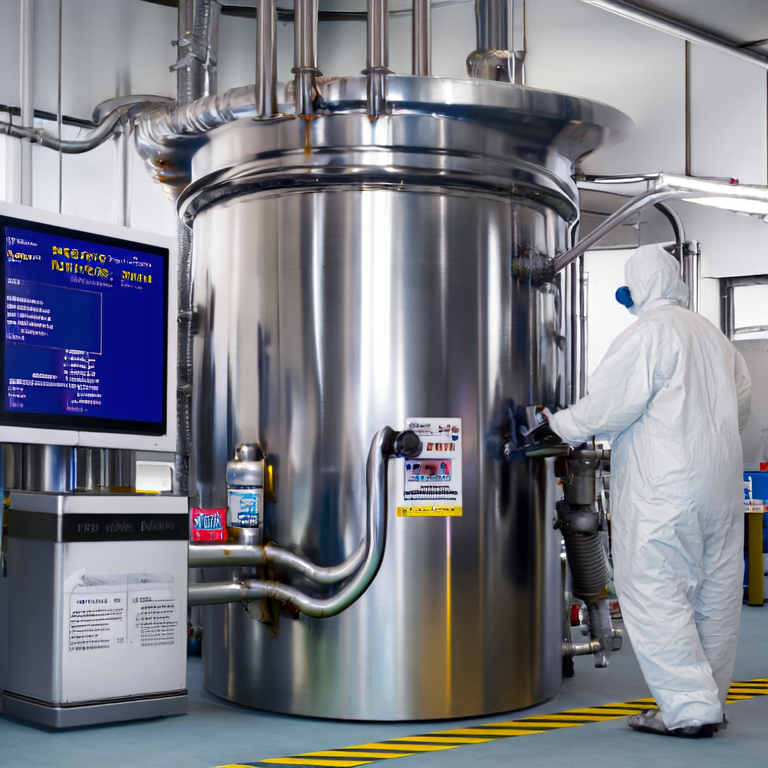
To maintain a clean environment and ensure the safety of workers, adherence to environmental and safety standards in methyltrichlorosilane production is non-negotiable. As global regulations evolve, continuous improvement and education
Ready to Get Started?
Contact Hocon Organic Silicon Product suppliers today to bring your idea or design to life sooner!
Please complete the contact form and we aim to get back to you within 24 hours.
Related Products


Cas: N.A
Bis-Aminosilane Polymers are a class of organosilicon compounds characterized by dual amino functional groups (−NH 2−NH 2 or −NHR−NHR) attached to a silane backbone.
Cas: 63148-62-9
Our silicone conformal coating is a high-performance, solvent-based protective layer designed to safeguard electronic components against moisture, dust, chemicals, and temperature extremes. Ideal for printed circuit boards (PCBs), connectors, and sensitive electronics, it provides reliable insulation and long-term durability while maintaining flexi
Cas: 14808-60-7
Silica microspheres, also known as spherical silica powder, are high-purity, fine particles composed primarily of silicon dioxide (SiO₂) with a spherical morphology.
Our Market
Hocon International Co., Ltd. was established in 2015, is a manufacturer specializing in silicone products. Its product varieties include: organosilanes, silicone resin, silicone oil, modified silicone oil and their deep-processing products, the application fields of the products involve daily ...