Cas: N.A
News
The Professional manufacturer of Silicones、 Silanes 、 Silicone Additives & Polymers
 Feb. 03, 2026
Methyltrichlorosilane supply chain faces several challenges. These challenges can impact production and availability. Manufacturers often struggle with sourcing and logistics. This can lead to delays and increased costs. Finding reliable suppliers is essential for businesses that depend on this chemical. Factors like regulations, transportation issues, and market demand affect supply chains. Understanding these challenges can help companies find better solutions.
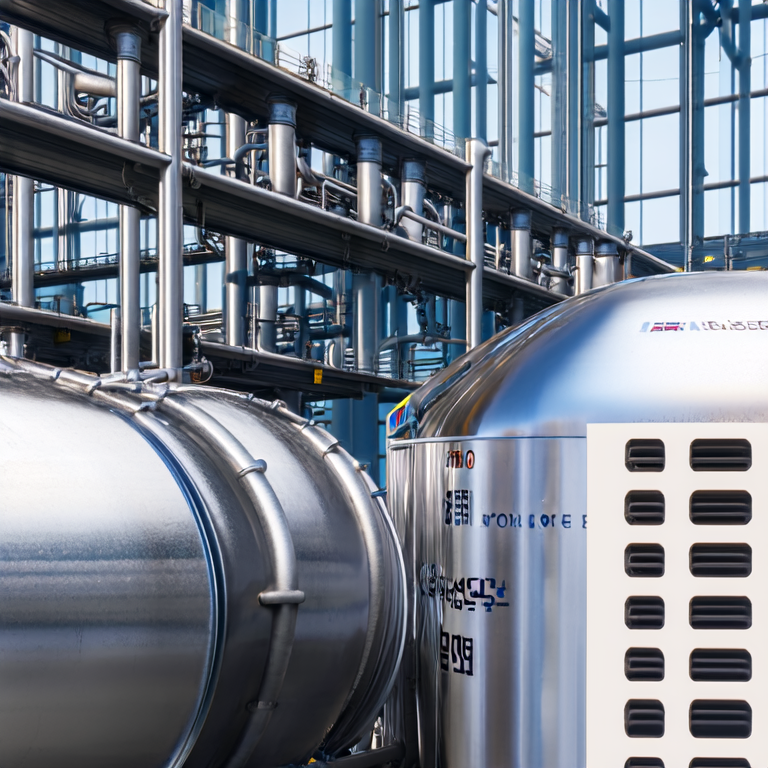
Methyltrichlorosilane supply chain faces challenges related to sourcing, logistics, and regulatory compliance, but also offers opportunities for businesses to innovate and expand.
Manufacturers must comply with various regulations on chemical production. These regulations differ by region and can complicate supply chains.
Shipping methyltrichlorosilane can be tricky due to safety requirements. Companies may face delays or increased costs during transport.
Demand for methyltrichlorosilane can vary. Sudden changes in demand can lead to shortages or excess inventory.
Finding trustworthy suppliers is critical. Unreliable suppliers can affect production schedules and overall business performance.
Innovations in production techniques can reduce costs and improve efficiency.
Emerging markets present new opportunities for suppliers. Businesses can tap into regions with growing demand.
Adopting eco-friendly practices can enhance brand reputation and appeal to environmentally-conscious consumers.
The methyltrichlorosilane supply chain presents both challenges and opportunities. Companies must navigate regulations and logistics while also being open to technological advancements and new markets. By staying informed and adaptable, businesses can thrive in this complex landscape.
Q1: What is methyltrichlorosilane used for?
It is primarily used in the production of silicone products.
Q2: How can companies mitigate supply chain risks?
By diversifying suppliers and maintaining good communication.
Q3: Are there environmental regulations associated with methyltrichlorosilane?
Yes, there are strict regulations for its production and disposal.
Ready to Get Started?
Contact Hocon Organic Silicon Product suppliers today to bring your idea or design to life sooner!
Please complete the contact form and we aim to get back to you within 24 hours.
Related Products


Cas: N.A
Bis-Aminosilane Polymers are a class of organosilicon compounds characterized by dual amino functional groups (−NH 2−NH 2 or −NHR−NHR) attached to a silane backbone.
Cas: 63148-62-9
Our silicone conformal coating is a high-performance, solvent-based protective layer designed to safeguard electronic components against moisture, dust, chemicals, and temperature extremes. Ideal for printed circuit boards (PCBs), connectors, and sensitive electronics, it provides reliable insulation and long-term durability while maintaining flexi
Cas: 14808-60-7
Silica microspheres, also known as spherical silica powder, are high-purity, fine particles composed primarily of silicon dioxide (SiO₂) with a spherical morphology.
Our Market
Hocon International Co., Ltd. was established in 2015, is a manufacturer specializing in silicone products. Its product varieties include: organosilanes, silicone resin, silicone oil, modified silicone oil and their deep-processing products, the application fields of the products involve daily ...