Cas: N.A
News
The Professional manufacturer of Silicones、 Silanes 、 Silicone Additives & Polymers
 Feb. 16, 2026
Methyltrichlorosilane is crucial for various industrial applications. However, exporting this chemical poses significant challenges. Packaging and transportation methods significantly affect the product's quality and safety during transit. Manufacturers and suppliers must choose reliable options to ensure secure delivery. Understanding the best practices can help mitigate risks and maintain product integrity.
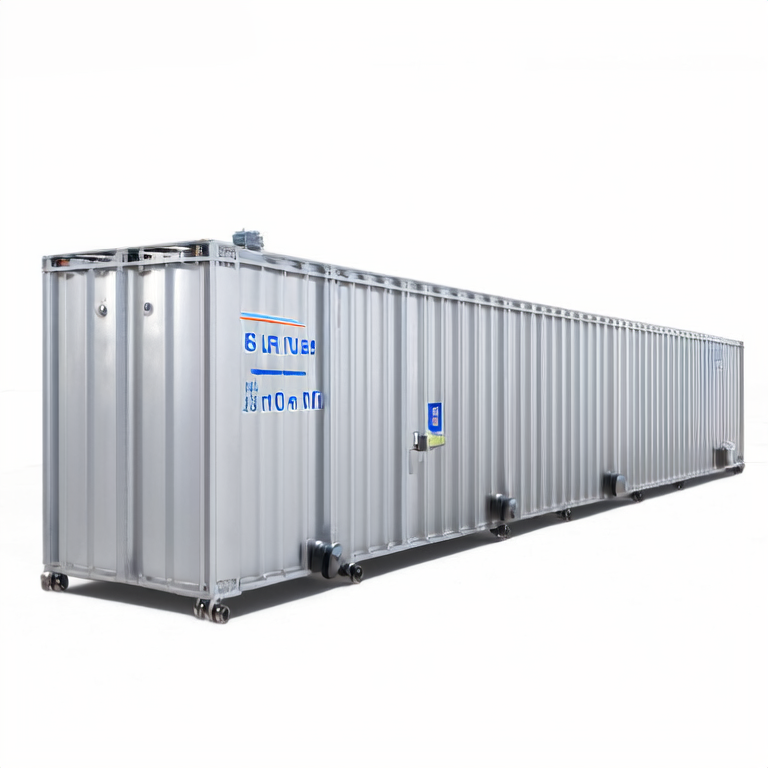
Methyltrichlorosilane is often transported in specialized containers to prevent leakage and ensure safety. Effective packaging options include drums and bulk containers. Additionally, various safety regulations must be strictly followed during transport to protect the product and the environment.
Two main types of containers are widely used for packaging methyltrichlorosilane:
Containers should have secure seals to prevent leaks. Safety features also include:
Road freight is common for nearby destinations. Key points for this method include:
Rail transport offers a cost-effective option for long distances. Advantages include:
Air transport is the fastest method for urgent shipments. Considerations include:
Strict adherence to local and international regulations is paramount. This includes:
Providing accurate documentation is critical for transportation. Essential documents include:
In conclusion, choosing the right packaging and transportation options for methyltrichlorosilane export is vital for maintaining product safety and quality. Various methods, including drums and bulk containers, can effectively transport this chemical. Following best practices and regulations will further minimize risks during transit.
A1: Methyltrichlorosilane is used in the production of silicone polymers and as a precursor for various silicone-based materials.
A2: It should be kept in a cool, dry place, away from direct sunlight and heat sources.
A3: Regulations from local and international governing bodies concerning hazardous materials must be followed during shipping.
A4: Yes, but it must comply with strict air transport regulations due to its hazardous nature.
A5: Risks include leaks, chemical reactions, and environmental hazards if not handled properly.
Ready to Get Started?
Contact Hocon Organic Silicon Product suppliers today to bring your idea or design to life sooner!
Please complete the contact form and we aim to get back to you within 24 hours.
Related Products


Cas: N.A
Bis-Aminosilane Polymers are a class of organosilicon compounds characterized by dual amino functional groups (−NH 2−NH 2 or −NHR−NHR) attached to a silane backbone.
Cas: 63148-62-9
Our silicone conformal coating is a high-performance, solvent-based protective layer designed to safeguard electronic components against moisture, dust, chemicals, and temperature extremes. Ideal for printed circuit boards (PCBs), connectors, and sensitive electronics, it provides reliable insulation and long-term durability while maintaining flexi
Cas: 14808-60-7
Silica microspheres, also known as spherical silica powder, are high-purity, fine particles composed primarily of silicon dioxide (SiO₂) with a spherical morphology.
Our Market
Hocon International Co., Ltd. was established in 2015, is a manufacturer specializing in silicone products. Its product varieties include: organosilanes, silicone resin, silicone oil, modified silicone oil and their deep-processing products, the application fields of the products involve daily ...