Cas: N.A
News
The Professional manufacturer of Silicones、 Silanes 、 Silicone Additives & Polymers
 Feb. 03, 2026
Methyltrichlorosilane is essential in various industrial applications, especially in manufacturing silicone compounds. However, its regulation can be complex. Many suppliers face challenges in meeting compliance requirements worldwide. Understanding how to navigate international regulations can help businesses avoid penalties and enhance their reputation. Importers and exporters of methyltrichlorosilane must prioritize safety, legal obligations, and environmental concerns. 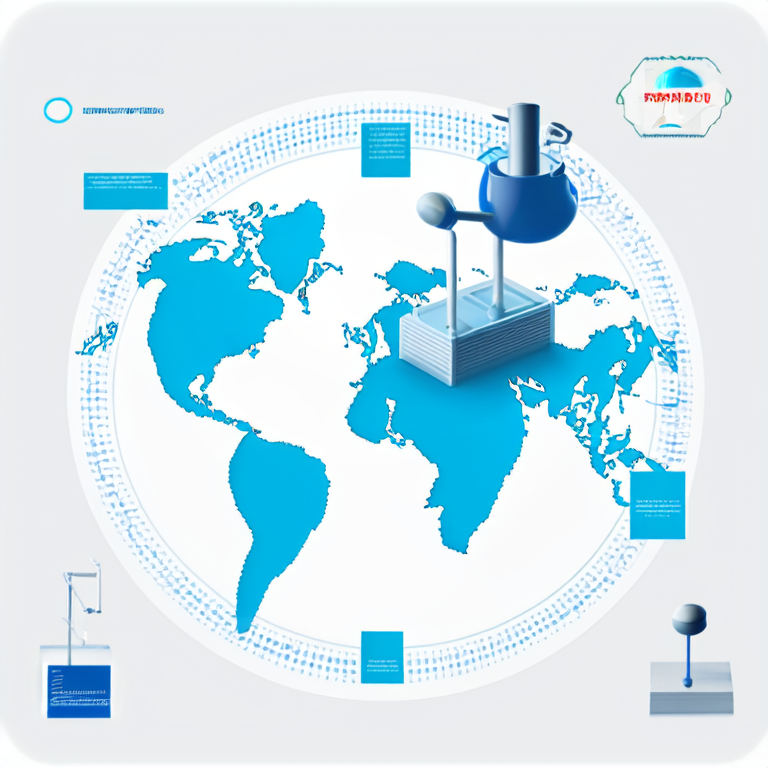
The regulatory compliance for methyltrichlorosilane in global trade is crucial for safety and legal integrity in chemical transactions. Suppliers must stay informed about various regulations and standards. This knowledge helps in ensuring safe operations and avoiding legal issues.
Organizations like ISO set standards for chemicals, including methyltrichlorosilane. Compliance with these standards ensures product safety and quality.
Every supplier must provide SDS for methyltrichlorosilane. These documents outline hazards, handling instructions, and necessary precautions.
Companies must register with local regulatory bodies. This notification is necessary for the safe use and transportation of methyltrichlorosilane.
Proper labeling of methyltrichlorosilane is critical. Labels should include risk phrases, safety precautions, and first-aid instructions.
Compliance with transport regulations helps in the safe shipment of methyltrichlorosilane. It is vital to follow guidelines for dangerous goods transport.
Meeting environmental standards is crucial. Suppliers must adhere to regulations aimed at protecting the environment from hazardous materials.
Regulatory compliance for methyltrichlorosilane in global trade is vital for businesses in the chemical industry. Suppliers must continuously update their knowledge of regulations. By ensuring compliance, they protect themselves from legal issues and promote safe practices.
What is methyltrichlorosilane used for? It is mainly used in the production of silicone compounds, coatings, and sealants.
How can suppliers ensure compliance? By staying updated on international standards, preparing required documents, and training staff on safety protocols.
What are the consequences of non-compliance? Non-compliance can lead to fines, product recalls, and harm to business reputation.
Ready to Get Started?
Contact Hocon Organic Silicon Product suppliers today to bring your idea or design to life sooner!
Please complete the contact form and we aim to get back to you within 24 hours.
Related Products


Cas: N.A
Bis-Aminosilane Polymers are a class of organosilicon compounds characterized by dual amino functional groups (−NH 2−NH 2 or −NHR−NHR) attached to a silane backbone.
Cas: 63148-62-9
Our silicone conformal coating is a high-performance, solvent-based protective layer designed to safeguard electronic components against moisture, dust, chemicals, and temperature extremes. Ideal for printed circuit boards (PCBs), connectors, and sensitive electronics, it provides reliable insulation and long-term durability while maintaining flexi
Cas: 14808-60-7
Silica microspheres, also known as spherical silica powder, are high-purity, fine particles composed primarily of silicon dioxide (SiO₂) with a spherical morphology.
Our Market
Hocon International Co., Ltd. was established in 2015, is a manufacturer specializing in silicone products. Its product varieties include: organosilanes, silicone resin, silicone oil, modified silicone oil and their deep-processing products, the application fields of the products involve daily ...