Cas: N.A
News
The Professional manufacturer of Silicones、 Silanes 、 Silicone Additives & Polymers
 Feb. 02, 2026
Methyltrichlorosilane is a colorless liquid that is essential in various industrial processes, particularly in the production of silicone polymers. Understanding its properties is crucial for safe handling. It is reactive with water, producing hydrochloric acid, which poses significant risks if not managed properly. Those handling methyltrichlorosilane must be aware of its characteristics to mitigate hazards effectively.
Methyltrichlorosilane can cause several health issues, including skin irritation, respiratory problems, and potential carcinogenic effects. The most common hazards include:
In a study of industrial accidents, exposure to methyltrichlorosilane without proper protection led to multiple cases of dermatitis and respiratory complications among workers. These incidents underline the importance of adherence to safety protocols.
The right personal protective equipment is crucial when working with methyltrichlorosilane. Essential PPE includes:
According to safety standards, gloves made from butyl rubber are highly recommended due to their resistance to chemical permeation. It is essential to ensure that all PPE is properly fitted and maintained.
When handling methyltrichlorosilane, follow these safety procedures:
In case of an emergency, it is critical to follow these guidelines:
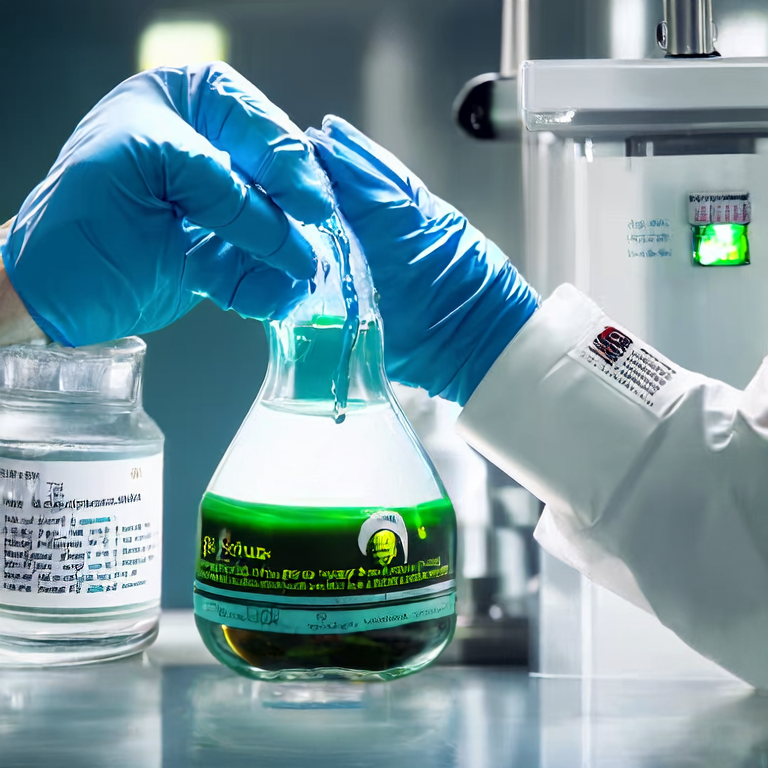
Safe storage practices are vital for maintaining a risk-free environment. Recommendations include:
| Condition | Recommended | Not Recommended |
|---|---|---|
| Temperature | Below 25°C | Above 30°C |
| Humidity | Low humidity | High humidity |
| Proximity to Water | Distance maintained | Near drains or sinks |
Disposal of methyltrichlorosilane must be done in accordance with local regulations:
It is crucial not to dispose of methyltrichlorosilane down the drain. Engaging licensed waste disposal services ensures compliance and environmental safety.
In conclusion, handling methyltrichlorosilane requires strict adherence to safety protocols, proper use of PPE, and thorough training to mitigate health risks. With proper practices and awareness, the potential hazards of this essential chemical can be effectively managed. Given its importance in manufacturing and industrial applications, companies like Hocon are committed to promoting safe handling and best practices in the industry.
Ready to Get Started?
Contact Hocon Organic Silicon Product suppliers today to bring your idea or design to life sooner!
Please complete the contact form and we aim to get back to you within 24 hours.
Related Products


Cas: N.A
Bis-Aminosilane Polymers are a class of organosilicon compounds characterized by dual amino functional groups (−NH 2−NH 2 or −NHR−NHR) attached to a silane backbone.
Cas: 63148-62-9
Our silicone conformal coating is a high-performance, solvent-based protective layer designed to safeguard electronic components against moisture, dust, chemicals, and temperature extremes. Ideal for printed circuit boards (PCBs), connectors, and sensitive electronics, it provides reliable insulation and long-term durability while maintaining flexi
Cas: 14808-60-7
Silica microspheres, also known as spherical silica powder, are high-purity, fine particles composed primarily of silicon dioxide (SiO₂) with a spherical morphology.
Our Market
Hocon International Co., Ltd. was established in 2015, is a manufacturer specializing in silicone products. Its product varieties include: organosilanes, silicone resin, silicone oil, modified silicone oil and their deep-processing products, the application fields of the products involve daily ...