Cas: N.A
News
The Professional manufacturer of Silicones、 Silanes 、 Silicone Additives & Polymers
 Jul. 03, 2026
Understanding silicone resin chemistry is crucial for industrial buyers seeking reliable materials for various applications. Silicone resins are unique polymers known for their heat resistance, moisture repellence, and superior mechanical properties. This guide addresses common pain points, offering insights into the properties, applications, and processing of silicone resins to enhance your sourcing decisions. Let’s explore how these resins can benefit your projects, backed by data and clear explanations.
Silicone resins boast a range of beneficial properties that are valuable in industrial applications:
Silicone resins can withstand high temperatures, typically reaching up to 250°C without degrading. This thermal stability makes them ideal for applications that involve exposure to extreme heat.
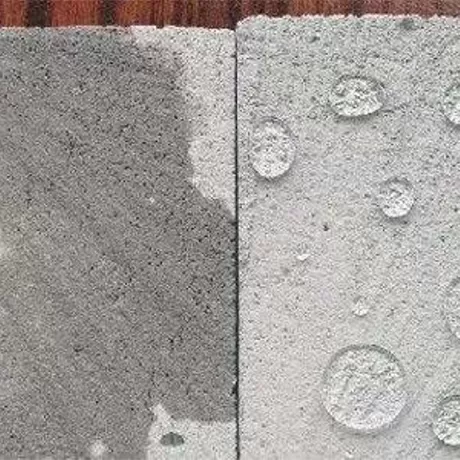
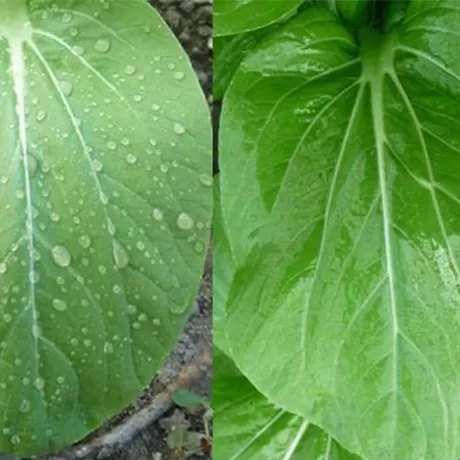
These materials exhibit excellent water repellency, preventing moisture absorption. This property protects formulations and substrates even in humid environments, making silicone resins preferable in coatings and sealants.
Silicone resins are resistant to various chemicals, including acids and bases, which prolongs the lifespan of products used in harsh conditions. This durability ensures product reliability and safety.
Silicone resins have a wide range of industrial applications, tailored to leverage their specific properties:
These resins are used in paints and protective coatings due to their excellent adhesion and esthetic qualities, enhancing durability and performance.
Silicone resins enhance the strength and flexibility of adhesives, providing necessary bonding characteristics for various substrates.
In the electronics industry, silicone resins are vital for insulation and protection against environmental factors, ensuring reliability and longevity.
When selecting silicone resins, consider the following aspects:
Identify the specific mechanical, thermal, or chemical properties necessary for your application. This understanding aids in selecting the right silicone resin.
Ensure that the silicone resin complies with relevant industry standards, which may vary by application and region.
Evaluate the lifetime cost versus initial investment in order to maximize value, as some silicone resins may result in lower maintenance and replacement costs.
| Property | Silicone Resins | Traditional Polymers |
|---|---|---|
| Thermal Stability | Up to 250°C | Up to 100°C |
| Moisture Resistance | Excellent | Poor |
| Chemical Resistance | High | Medium |
| Flexibility | Superior | Variable |
To appreciate silicone resin chemistry, it's essential to comprehend the manufacturing process:
The production begins with the selection of raw materials, such as silicons and oxygen compounds, to form the base polymers.
This process can be carried out through various methods, including condensation, which results in solid silicone resins.
The curing process finalizes the resin's properties, enhancing stability and durability, and may involve heat or catalysts.
When sourcing silicone resin, consider the following tips:
Partnering with established brands such as Hocon ensures quality and reliability in your supply chain.
Obtaining samples helps you assess the material's performance with your specific formulations or applications before making commitments.
Keep abreast of advancements in silicone technology to leverage emerging benefits and enhance your product offerings.
Silicone resin chemistry is pivotal for industrial applications, offering unique qualities that set them apart from traditional polymers. By understanding their properties, applications, and manufacturing processes, industrial buyers can make informed decisions that optimize their material sourcing and product performance. Whether seeking strength, flexibility, or resistance, silicone resins from reputable manufacturers like Hocon will meet your needs efficiently and effectively.
Ready to Get Started?
Contact Hocon Organic Silicon Product suppliers today to bring your idea or design to life sooner!
Please complete the contact form and we aim to get back to you within 24 hours.
Related Products


Cas: N.A
Bis-Aminosilane Polymers are a class of organosilicon compounds characterized by dual amino functional groups (−NH 2−NH 2 or −NHR−NHR) attached to a silane backbone.
Cas: 63148-62-9
Our silicone conformal coating is a high-performance, solvent-based protective layer designed to safeguard electronic components against moisture, dust, chemicals, and temperature extremes. Ideal for printed circuit boards (PCBs), connectors, and sensitive electronics, it provides reliable insulation and long-term durability while maintaining flexi
Cas: 14808-60-7
Silica microspheres, also known as spherical silica powder, are high-purity, fine particles composed primarily of silicon dioxide (SiO₂) with a spherical morphology.
Our Market
Hocon International Co., Ltd. was established in 2015, is a manufacturer specializing in silicone products. Its product varieties include: organosilanes, silicone resin, silicone oil, modified silicone oil and their deep-processing products, the application fields of the products involve daily ...