Cas: N.A
News
The Professional manufacturer of Silicones、 Silanes 、 Silicone Additives & Polymers
 Jul. 03, 2026
Understanding the curing mechanisms of silicone resin is crucial for manufacturers and users who depend on its superior performance and durability. This article will delve into three primary curing methods—heat curing, moisture curing, and platinum-catalyzed curing—each playing a vital role in determining the final properties of silicone products. By exploring these mechanisms, we address user pain points regarding efficiency, quality, and application efficiency in various conditions.
Heat curing, also known as thermal curing, involves applying heat to accelerate the cross-linking process in silicone resins. This method is widely used in industrial applications due to its speed and efficiency.
During heat curing, silicone compounds are typically mixed with catalysts that initiate a chemical reaction when exposed to high temperatures. This reaction forms a hard, stable network of silicone polymer chains.
Key benefits of heat curing include:
Heat curing is commonly used in applications such as:
Moisture curing, also known as atmospheric curing, is a process where silicone resins cure upon exposure to moisture in the air. This method is popular for its ease of use and versatility.
In moisture curing, silicone polymers contain moisture-sensitive groups that react with water vapor, leading to polymer cross-linking. This curing mechanism is prevalent in construction and sealant applications.
Benefits include:
Common applications include:
Platinum-catalyzed curing, often referred to as addition curing, employs precious metal catalysts for efficient cross-linking without the by-products of other curing processes.
This method results in very low odor and reduced environmental impact, making it increasingly popular in consumer products. The catalyst enables the reaction to proceed at room temperature, which is advantageous for many applications.
The advantages include:
This curing method is suitable for:
| Curing Method | Cure Speed | Temperature Requirement | Ideal Applications |
|---|---|---|---|
| Heat Curing | Fast | High Temp Required | Industrial Parts, Electronics |
| Moisture Curing | Moderate | No High Temp | Sealants, Adhesives |
| Platinum-Catalyzed Curing | Variable | Room Temp | Medical, Consumer Products |
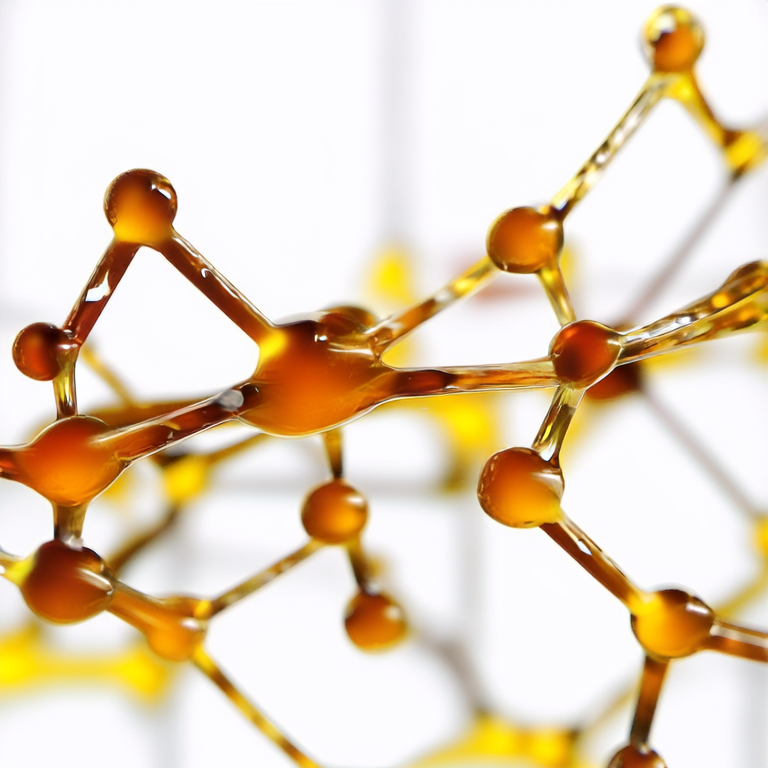
The following flow chart summarizes the steps involved in different curing processes for silicone resins:
Understanding the curing mechanisms of silicone resin is paramount for optimizing production and ensuring product success. Whether utilizing heat curing for faster production, moisture curing for ease of application, or platinum-catalyzed curing for purity and stability, each method offers unique advantages tailored to specific applications. By choosing the right curing mechanism, manufacturers can enhance the performance and durability of their products, leading to greater customer satisfaction and retention.
For high-performance silicone resin solutions suited to your needs, explore the offerings from Hocon.
Ready to Get Started?
Contact Hocon Organic Silicon Product suppliers today to bring your idea or design to life sooner!
Please complete the contact form and we aim to get back to you within 24 hours.
Related Products


Cas: N.A
Bis-Aminosilane Polymers are a class of organosilicon compounds characterized by dual amino functional groups (−NH 2−NH 2 or −NHR−NHR) attached to a silane backbone.
Cas: 63148-62-9
Our silicone conformal coating is a high-performance, solvent-based protective layer designed to safeguard electronic components against moisture, dust, chemicals, and temperature extremes. Ideal for printed circuit boards (PCBs), connectors, and sensitive electronics, it provides reliable insulation and long-term durability while maintaining flexi
Cas: 14808-60-7
Silica microspheres, also known as spherical silica powder, are high-purity, fine particles composed primarily of silicon dioxide (SiO₂) with a spherical morphology.
Our Market
Hocon International Co., Ltd. was established in 2015, is a manufacturer specializing in silicone products. Its product varieties include: organosilanes, silicone resin, silicone oil, modified silicone oil and their deep-processing products, the application fields of the products involve daily ...