Cas: N.A
News
The Professional manufacturer of Silicones、 Silanes 、 Silicone Additives & Polymers
 Jul. 03, 2026
Silicone resin is becoming a popular choice in construction materials, especially for waterproofing and protection. This material offers excellent resistance to water, heat, and UV light. Many builders seek durable solutions for protecting their structures from the elements. Using silicone resin ensures long-lasting safety and performance in various applications, including roofing, flooring, and façade coatings. Engineers and architects prefer silicone resin due to its adaptability and efficiency in waterproofing. The growing demand for eco-friendly and sustainable building materials also presses manufacturers to explore silicone options.
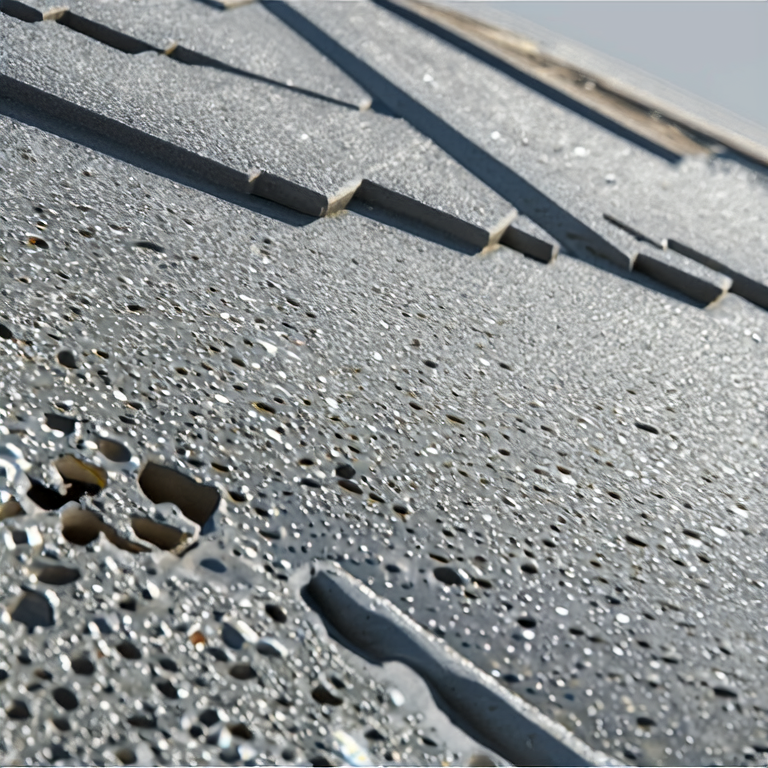
Silicone resin is ideal for construction materials due to its excellent waterproofing and protective features which enhance the durability of buildings.
Silicone resin is known for its superior waterproofing capabilities. It forms an effective barrier against moisture, protecting structures from water damage.
This material does not degrade easily when exposed to sunlight. Its resistance to ultraviolet light ensures that surfaces remain intact and visually appealing over time.
Silicone resin can withstand extreme temperatures. It remains stable and effective in both hot and cold environments, making it suitable for diverse climates.
Silicone resin is flexible. This property allows it to adapt to movements in the building materials, preventing cracks and leaks. Its strong adhesion ensures secure bonding to various surfaces.
As the construction industry focuses on sustainability, silicone resin offers a low environmental impact. It is often a safer choice compared to traditional waterproofing materials.
Although the initial investment may be high, the long-term benefits of silicone resin, such as reduced maintenance and repair costs, make it a cost-effective choice.
Surface preparation is crucial before applying silicone resin. Clean the area to remove any dirt, grease, or loose materials. Ensure the surface is dry for optimal adhesion.
Follow the manufacturer's guidelines for mixing the silicone resin. Usually, you combine the resin with a hardener to achieve the desired consistency.
Use a brush, roller, or spray equipment to apply the silicone resin evenly on the desired surface. Avoid over-application to prevent pooling.
Allow the resin to cure as per the instructions. This time varies based on environmental conditions and the specific product used. Typically, a full cure can take several days.
After the curing period, inspect the surface for any imperfections or missed spots. Address any issues promptly to maintain the waterproof integrity.
In conclusion, silicone resin plays a crucial role in enhancing construction materials through waterproofing and protection. Its superior qualities, such as UV resistance and flexibility, make it a choice that builders and architects trust. As the construction industry continues to evolve, silicone resin stands out as an effective solution for safeguarding structures against environmental challenges.
What is silicone resin?
Silicone resin is a synthetic polymer used in various applications, mainly for its waterproof and protective qualities in construction.
How long does silicone resin last?
Silicone resin can last many years, often exceeding 20 years with proper application and maintenance.
Can silicone resin be used indoors?
Yes, silicone resin is suitable for both indoor and outdoor applications due to its durability.
Is silicone resin safe for the environment?
Yes, silicone resin is considered eco-friendly as it has a low environmental impact compared to other waterproofing materials.
How do I remove silicone resin?
To remove silicone resin, use a silicone remover or a razor blade to carefully scrape it off the surface.
Do I need a primer before applying silicone resin?
In some cases, a primer may be necessary for better adhesion. Always follow the manufacturer's guidelines.
Ready to Get Started?
Contact Hocon Organic Silicon Product suppliers today to bring your idea or design to life sooner!
Please complete the contact form and we aim to get back to you within 24 hours.
Related Products


Cas: N.A
Bis-Aminosilane Polymers are a class of organosilicon compounds characterized by dual amino functional groups (−NH 2−NH 2 or −NHR−NHR) attached to a silane backbone.
Cas: 63148-62-9
Our silicone conformal coating is a high-performance, solvent-based protective layer designed to safeguard electronic components against moisture, dust, chemicals, and temperature extremes. Ideal for printed circuit boards (PCBs), connectors, and sensitive electronics, it provides reliable insulation and long-term durability while maintaining flexi
Cas: 14808-60-7
Silica microspheres, also known as spherical silica powder, are high-purity, fine particles composed primarily of silicon dioxide (SiO₂) with a spherical morphology.
Our Market
Hocon International Co., Ltd. was established in 2015, is a manufacturer specializing in silicone products. Its product varieties include: organosilanes, silicone resin, silicone oil, modified silicone oil and their deep-processing products, the application fields of the products involve daily ...