Cas: N.A
News
The Professional manufacturer of Silicones、 Silanes 、 Silicone Additives & Polymers
 Jul. 03, 2026
When looking for silicone resin, you may wonder about the difference between silicone resin suppliers and manufacturers. Understanding these roles can help you choose the right partner for your needs. A silicone resin supplier typically sells finished products, while a manufacturer produces them from raw materials. Knowing this can help you find a reliable source for your projects. Selecting the right silicone resin is crucial for quality and performance in various applications, such as coatings and adhesives.
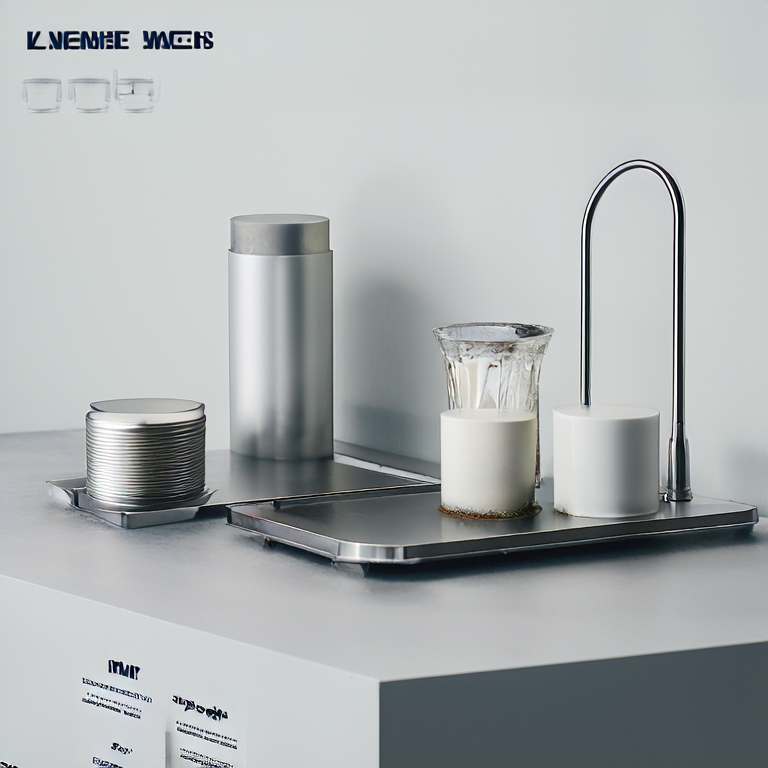
The main difference between a silicone resin supplier and a manufacturer lies in their roles: suppliers provide finished products, while manufacturers create those products from raw materials. Knowing this distinction can save you time and help you make the right choice based on your specific needs.
Silicone resin suppliers focus on selling commercially available products. They buy from manufacturers and distribute to retailers or end-users. Their expertise lies in understanding market demands. For example, a supplier may showcase a range of silicone resin types for different applications.
Suppliers often provide customer support, guiding buyers on product selection. They help clients understand the benefits of various silicone resins. This support is crucial for ensuring that customers choose the right products for their projects.
Manufacturers are involved in creating silicone resins. They combine raw materials and chemical processes to produce resin. This process can include polycondensation and curing, resulting in various types of silicone products.
Manufacturers maintain strict quality control during production. They ensure that the final products meet industry standards. For instance, regular testing and process optimization are essential to achieve high-quality silicone resin.
| Aspect | Supplier | Manufacturer |
|---|---|---|
| Core Function | Sells finished products | Produces raw silicone resins |
| Customer Interaction | Directly interacts with buyers | Less customer-facing, focuses on production |
| Product Range | Variety of brands | Dedicated to specific product lines |
| Expertise | Market trends and customer service | Chemical processes and manufacturing techniques |
Understanding the difference between a silicone resin supplier and a manufacturer helps you make informed decisions. Suppliers sell finished silicone products while manufacturers focus on production. Knowing their roles can lead you to the right choice for quality silicone resins.
There are various types, including epoxy, acrylic, and polyurethane silicone resins, each suitable for different applications.
Consider the application's specific requirements, such as flexibility, temperature resistance, and adhesion properties.
Yes, many manufacturers offer custom formulations based on specific project needs.
Common applications include adhesives, coatings, and electrical insulation.
You can find a supplier through online searches or trade shows focused on chemical and material supplies.
Yes, safety data sheets provide important information on safe handling and potential hazards related to silicone resins.
Ready to Get Started?
Contact Hocon Organic Silicon Product suppliers today to bring your idea or design to life sooner!
Please complete the contact form and we aim to get back to you within 24 hours.
Related Products


Cas: N.A
Bis-Aminosilane Polymers are a class of organosilicon compounds characterized by dual amino functional groups (−NH 2−NH 2 or −NHR−NHR) attached to a silane backbone.
Cas: 63148-62-9
Our silicone conformal coating is a high-performance, solvent-based protective layer designed to safeguard electronic components against moisture, dust, chemicals, and temperature extremes. Ideal for printed circuit boards (PCBs), connectors, and sensitive electronics, it provides reliable insulation and long-term durability while maintaining flexi
Cas: 14808-60-7
Silica microspheres, also known as spherical silica powder, are high-purity, fine particles composed primarily of silicon dioxide (SiO₂) with a spherical morphology.
Our Market
Hocon International Co., Ltd. was established in 2015, is a manufacturer specializing in silicone products. Its product varieties include: organosilanes, silicone resin, silicone oil, modified silicone oil and their deep-processing products, the application fields of the products involve daily ...