Cas: N.A
News
The Professional manufacturer of Silicones、 Silanes 、 Silicone Additives & Polymers
 Jul. 28, 2026
When it comes to choosing the right materials for weather-resistant paints, many people wonder about silicone resin vs acrylic. Both options are popular, but they have distinct properties. Silicone resin is known for its durability and flexibility, while acrylic offers excellent color retention. The main problem is finding the right paint that can withstand harsh weather conditions. This is important for homeowners and builders who want long-lasting finishes. In this article, we will discuss the differences between silicone resin and acrylic paints, helping you make an informed choice.
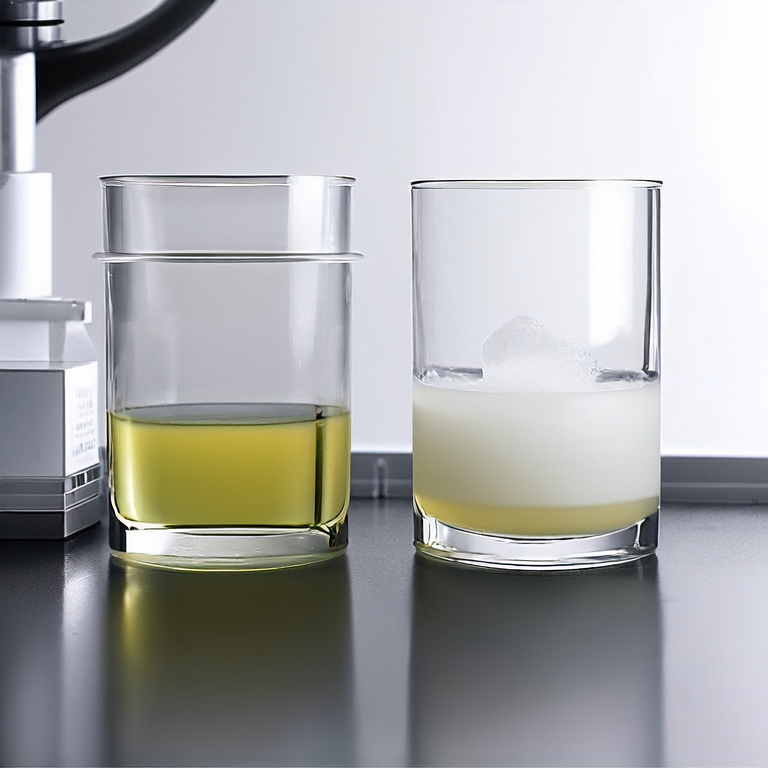
In summary, silicone resin is better for flexibility and durability in harsh weather, while acrylic is favored for color retention and ease of application.
Silicone resin paint is extremely durable. It can withstand extreme temperatures and harsh weather without cracking. This makes it ideal for outdoor surfaces.
Acrylic paint is also durable but may not perform as well as silicone resin in extreme conditions. It can fade over time, especially in direct sunlight.
Silicone resin is highly flexible. It can expand and contract without losing its adhesive qualities. This flexibility is important for surfaces that may move with temperature changes.
Acrylic paint is less flexible. It can crack when the surface it is on moves or shifts. This could lead to more frequent touch-ups.
While silicone resin is durable, it may not hold colors as well over time. Some formulations can lose their vibrancy with exposure to sunlight.
Acrylic paint is recognized for excellent color retention. It stays bright and vibrant, making it a popular choice for decorative applications.
Applying silicone resin can be more complex. It often requires specific surface preparations and tools for the best results.
Acrylic paint is easy to apply with brushes or rollers. It dries quickly and can be cleaned with soap and water, making it user-friendly for homeowners.
Understanding the differences between silicone resin and acrylic paints is vital for achieving the best results in weather-resistant applications. Silicone resin offers remarkable durability and flexibility, while acrylic stands out with vibrant color retention and ease of use. Choosing the right type of paint depends on your specific needs and the environment in which it will be used.
Ready to Get Started?
Contact Hocon Organic Silicon Product suppliers today to bring your idea or design to life sooner!
Please complete the contact form and we aim to get back to you within 24 hours.
Related Products


Cas: N.A
Bis-Aminosilane Polymers are a class of organosilicon compounds characterized by dual amino functional groups (−NH 2−NH 2 or −NHR−NHR) attached to a silane backbone.
Cas: 63148-62-9
Our silicone conformal coating is a high-performance, solvent-based protective layer designed to safeguard electronic components against moisture, dust, chemicals, and temperature extremes. Ideal for printed circuit boards (PCBs), connectors, and sensitive electronics, it provides reliable insulation and long-term durability while maintaining flexi
Cas: 14808-60-7
Silica microspheres, also known as spherical silica powder, are high-purity, fine particles composed primarily of silicon dioxide (SiO₂) with a spherical morphology.
Our Market
Hocon International Co., Ltd. was established in 2015, is a manufacturer specializing in silicone products. Its product varieties include: organosilanes, silicone resin, silicone oil, modified silicone oil and their deep-processing products, the application fields of the products involve daily ...