Cas: N.A
News
The Professional manufacturer of Silicones、 Silanes 、 Silicone Additives & Polymers
 Jul. 03, 2026
Silicone resin and acrylic resin are two popular materials used in various applications. Understanding the differences between silicone resin and acrylic resin is essential for making informed decisions in manufacturing, arts, and crafts. Many may find it challenging to choose between these two types of resin due to their unique properties. This article will explore the key distinctions that can help you decide which resin best fits your needs.
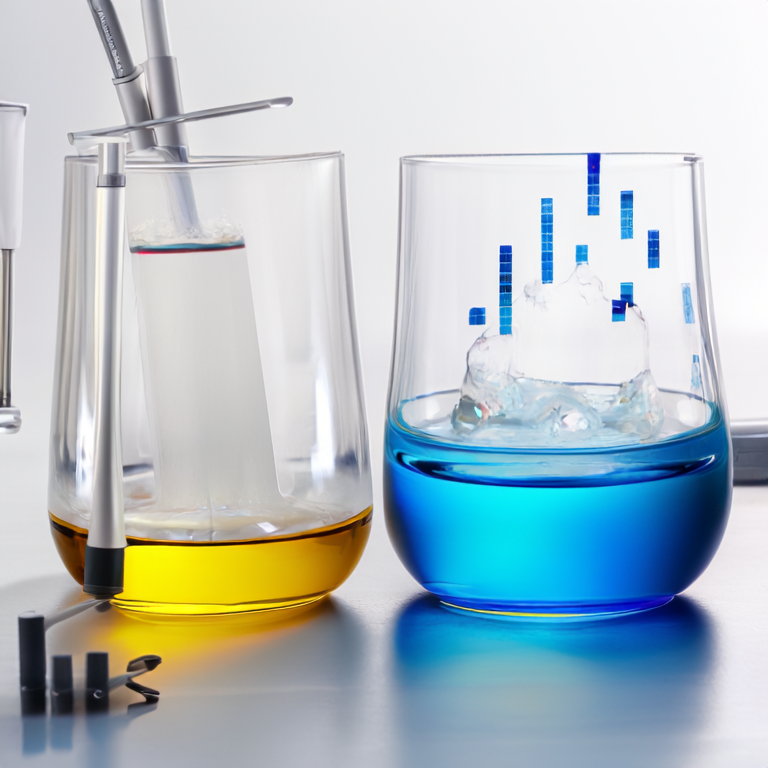
Silicone resin has a high heat resistance and flexibility, making it ideal for high-temperature applications.
Acrylic resin, on the other hand, is known for its transparency and ease of use. It can be used in everything from coatings to art supplies.
Choosing the right resin can have a significant impact on your project results.
In this article, we will break down the key differences so that you can understand which resin is best for your needs.
The main differences between **silicone resin and acrylic resin** lie in their properties and applications. Silicone resin is more heat resistant and flexible, while acrylic resin is more transparent and easier to work with. Each has its unique strengths that make it suitable for different purposes.
Silicone resin can withstand high temperatures without losing its shape. In contrast, acrylic resin may deform at high temperatures, making it less suitable for heat-sensitive applications.
While silicone resin is flexible and can expand or contract without breaking, acrylic resin is rigid and can crack under pressure or impact.
Acrylic resin is known for its high clarity and ability to mimic glass, making it a favorite for display items. Silicone resin, while not as clear, offers other advantages in durability.
Acrylic resin is generally easier to work with for beginners. It is less mess and cures quickly. Silicone resin can be more challenging to handle but offers unique benefits for specific needs.
Silicone resin is commonly used in high-temperature settings, like molds for baking or casting, while acrylic resin is often used in art projects, coatings, and furniture.
Silicone resin displays better durability against UV light and extreme weather conditions compared to acrylic resin.
Understanding the differences between silicone resin and acrylic resin is crucial for selecting the right material for your project. Silicone resin excels in heat resistance and flexibility, while acrylic resin stands out for its transparency and ease of use. By weighing these factors, you can make a choice that suits your specific needs better.
Q1: Can I use silicone resin in outdoor applications?
A1: Yes, silicone resin is suitable for outdoor use as it resists UV light and weather conditions.
Q2: Is acrylic resin suitable for high-temperature applications?
A2: No, acrylic resin is not recommended for high-temperature use as it can deform when exposed to heat.
Q3: Which resin is better for beginners?
A3: Acrylic resin is better for beginners due to its ease of use and quick curing time.
Q4: Can I mix silicone and acrylic resins?
A4: It is not advisable to mix these two resins, as they have different chemical properties that may lead to a poor result.
Q5: How do I choose between silicone and acrylic resin?
A5: Consider the specific needs of your project, such as heat exposure, flexibility, and visual clarity, to make the best choice.
Ready to Get Started?
Contact Hocon Organic Silicon Product suppliers today to bring your idea or design to life sooner!
Please complete the contact form and we aim to get back to you within 24 hours.
Related Products


Cas: N.A
Bis-Aminosilane Polymers are a class of organosilicon compounds characterized by dual amino functional groups (−NH 2−NH 2 or −NHR−NHR) attached to a silane backbone.
Cas: 63148-62-9
Our silicone conformal coating is a high-performance, solvent-based protective layer designed to safeguard electronic components against moisture, dust, chemicals, and temperature extremes. Ideal for printed circuit boards (PCBs), connectors, and sensitive electronics, it provides reliable insulation and long-term durability while maintaining flexi
Cas: 14808-60-7
Silica microspheres, also known as spherical silica powder, are high-purity, fine particles composed primarily of silicon dioxide (SiO₂) with a spherical morphology.
Our Market
Hocon International Co., Ltd. was established in 2015, is a manufacturer specializing in silicone products. Its product varieties include: organosilanes, silicone resin, silicone oil, modified silicone oil and their deep-processing products, the application fields of the products involve daily ...