Cas: N.A
News
The Professional manufacturer of Silicones、 Silanes 、 Silicone Additives & Polymers
 Jul. 03, 2026
Silicone resins play a crucial role in many industries. They are unique materials with excellent chemical resistance and durability. This versatility makes silicone resins suitable for various applications, including coatings, adhesives, and sealants. Companies often struggle to choose the right silicone resin for their specific needs. Understanding the different types can help in making informed decisions. In this article, we will explore the types of silicone resins and their industrial applications.
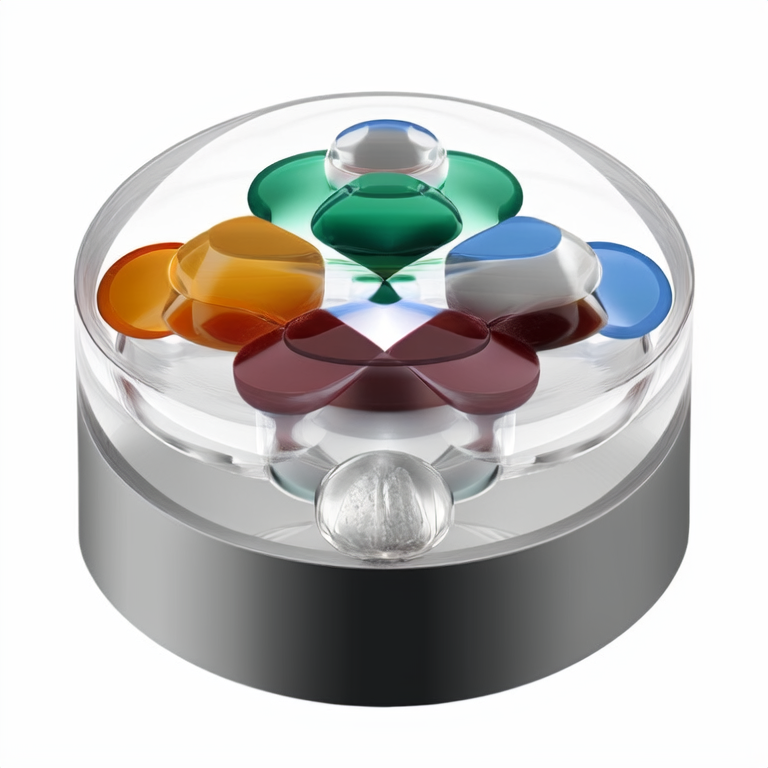
Silicone resins are synthetic polymers that provide excellent thermal stability, water resistance, and electrical insulation. The main types of silicone resins include methyl silicone, phenyl silicone, and methylphenyl silicone. Each type has distinct characteristics that suit different industrial applications, such as electronics, construction, and automotive sectors.
There are several types of silicone resins, each with unique properties:
- Methyl silicone resins are the most common. They offer strong resistance to heat and moisture. These qualities make them suitable for coatings and sealants.
- Phenyl silicone resins excel in high-temperature applications. They maintain their strength and flexibility even at elevated temperatures. This makes them ideal for automotive and aerospace uses.
- Methylphenyl silicone resins blend properties of both methyl and phenyl types. They are useful in electronics due to their excellent insulation properties.
- Modified silicone resins combine silicone with other materials. This helps enhance specific qualities like adhesion or chemical resistance. These resins are often used in special coatings.
Silicone resins find applications across various industries. Here are some key areas:
- Silicone resins are widely used in coatings due to their durability and weather resistance. They protect surfaces from corrosion and UV damage.
- Many construction projects rely on silicone resins for adhesives and sealants. Their strong bonding capabilities provide excellent performance in various conditions.
- The electronic industry uses silicone resins for insulation. Their ability to withstand high temperatures makes them ideal for circuit boards and other components.
- Automotive manufacturers benefit from silicone resins in parts exposed to heat and chemicals. These materials support reliable performance in engines and exterior components.
In summary, understanding the types of silicone resins and their applications is vital for various industries. **Silicone resins provide essential properties like heat resistance, moisture protection, and electrical insulation.** By choosing the right type, companies can enhance their products and ensure quality performance in challenging environments.
1. What are silicone resins made of?
Silicone resins are made of silicon, oxygen, carbon, and hydrogen atoms, forming a unique polymer. This structure gives them distinctive properties.
2. Are silicone resins environmentally friendly?
Silicone resins are generally considered safe for the environment. They do not release harmful substances and are stable under various conditions.
3. How long do silicone resins last?
With proper use, silicone resins can last many years. Their durability makes them a preferred choice for long-lasting applications.
4. Can silicone resins be painted?
Yes, silicone resins can be painted. However, using special paints designed for silicone surfaces is essential for better adhesion.
5. Are all silicone resins waterproof?
Most silicone resins provide excellent water resistance. However, it is essential to choose the right type for specific applications.
6. How do I choose the right silicone resin for my project?
Consider factors like temperature resistance, chemical exposure, and application type. Consulting with a manufacturer can also help make the right choice.
Ready to Get Started?
Contact Hocon Organic Silicon Product suppliers today to bring your idea or design to life sooner!
Please complete the contact form and we aim to get back to you within 24 hours.
Related Products


Cas: N.A
Bis-Aminosilane Polymers are a class of organosilicon compounds characterized by dual amino functional groups (−NH 2−NH 2 or −NHR−NHR) attached to a silane backbone.
Cas: 63148-62-9
Our silicone conformal coating is a high-performance, solvent-based protective layer designed to safeguard electronic components against moisture, dust, chemicals, and temperature extremes. Ideal for printed circuit boards (PCBs), connectors, and sensitive electronics, it provides reliable insulation and long-term durability while maintaining flexi
Cas: 14808-60-7
Silica microspheres, also known as spherical silica powder, are high-purity, fine particles composed primarily of silicon dioxide (SiO₂) with a spherical morphology.
Our Market
Hocon International Co., Ltd. was established in 2015, is a manufacturer specializing in silicone products. Its product varieties include: organosilanes, silicone resin, silicone oil, modified silicone oil and their deep-processing products, the application fields of the products involve daily ...