Cas: N.A
News
The Professional manufacturer of Silicones、 Silanes 、 Silicone Additives & Polymers
 Feb. 26, 2026
Methyltrichlorosilane (MTCS) is a vital chemical in the silicone industry. Its molecular structure makes it highly reactive, particularly with water, resulting in specific behavior crucial for applications. Understanding the reactivity and hydrolysis behavior of MTCS can significantly enhance its use in various industrial applications.
2.1. Reactivity Overview
MTCS is characterized by its chlorosilane functionality, which is highly reactive towards nucleophiles. This behavior is attributed to the presence of chlorines that can easily be substituted.
2.2. Factors Affecting Reactivity
3.1. Hydrolysis Process Explained
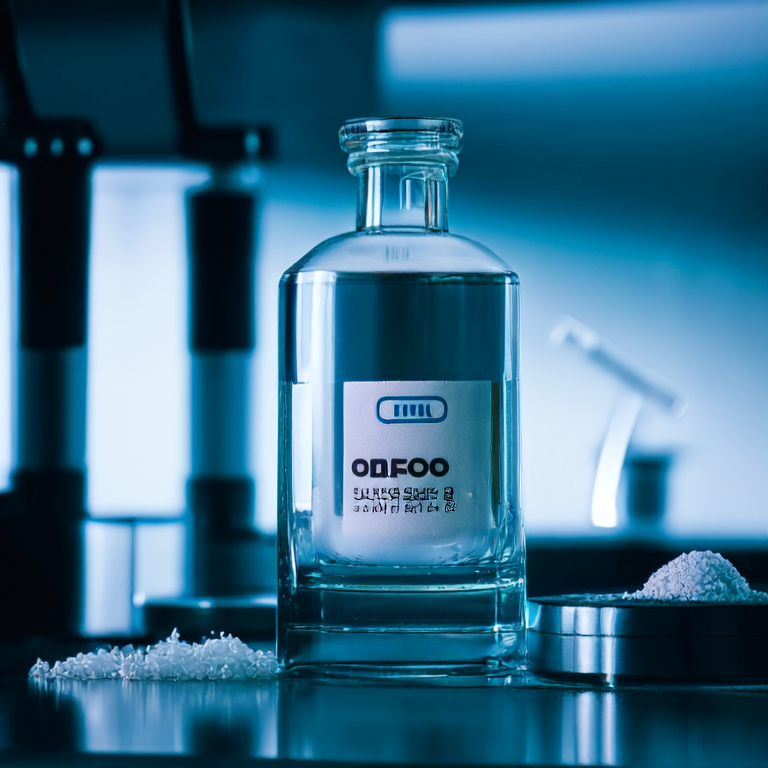
The hydrolysis of MTCS involves the reaction with water, leading to the formation of silanol and hydrochloric acid. This reaction can be illustrated through the following flow chart:
3.2. Impact of Hydrolysis on Applications
How quickly MTCS hydrolyzes can significantly impact its application in surface treatments and sealants. Understanding the hydrolysis kinetics helps in optimizing product formulations.
Below is a comparison table highlighting the key differences between MTCS and other common silanes:
| Silanes | Reactivity | Hydrolysis Rate |
|---|---|---|
| Methyltrichlorosilane (MTCS) | High | Fast |
| Trimethylchlorosilane | Medium | Moderate |
| Phenyltrichlorosilane | Low | Slow |
5.1. General Safety Guidelines
When handling MTCS, it is crucial to follow specific safety measures to prevent exposure. Here are some key precautions:
5.2. Emergency Procedures
In case of accidental exposure, follow the emergency procedures outlined in the material safety data sheet (MSDS) for methyltrichlorosilane.
Understanding the reactivity and hydrolysis behavior of Methyltrichlorosilane is essential for manufacturers and distributors in the silicone industry. The insights provided in this article can help in optimizing processes, enhancing product formulations, and ensuring safety during handling.
For quality methyltrichlorosilane supply, consider Hocon, a leader in the chemical manufacturing industry.
Ready to Get Started?
Contact Hocon Organic Silicon Product suppliers today to bring your idea or design to life sooner!
Please complete the contact form and we aim to get back to you within 24 hours.
Related Products


Cas: N.A
Bis-Aminosilane Polymers are a class of organosilicon compounds characterized by dual amino functional groups (−NH 2−NH 2 or −NHR−NHR) attached to a silane backbone.
Cas: 63148-62-9
Our silicone conformal coating is a high-performance, solvent-based protective layer designed to safeguard electronic components against moisture, dust, chemicals, and temperature extremes. Ideal for printed circuit boards (PCBs), connectors, and sensitive electronics, it provides reliable insulation and long-term durability while maintaining flexi
Cas: 14808-60-7
Silica microspheres, also known as spherical silica powder, are high-purity, fine particles composed primarily of silicon dioxide (SiO₂) with a spherical morphology.
Our Market
Hocon International Co., Ltd. was established in 2015, is a manufacturer specializing in silicone products. Its product varieties include: organosilanes, silicone resin, silicone oil, modified silicone oil and their deep-processing products, the application fields of the products involve daily ...