Cas: N.A
News
The Professional manufacturer of Silicones、 Silanes 、 Silicone Additives & Polymers
 Feb. 13, 2026
Methyltrichlorosilane is an essential compound, increasingly recognized for its role in silicone crosslinking systems. Its chemical properties make it ideal for achieving moisture resistance and improved durability in silicone products. With growing demand, understanding this silane's application is critical for manufacturers and distributors alike.
The incorporation of methyltrichlorosilane results in enhanced tensile strength and flexibility of the final silicone material.
Using this silane can lower production costs due to its efficiency in crosslinking.
With a focus on eco-friendly manufacturing practices, methyltrichlorosilane allows manufacturers to produce sustainable silicone products.
The process of utilizing methyltrichlorosilane in silicone crosslinking involves specific steps, which can be visualized in the following flow chart:
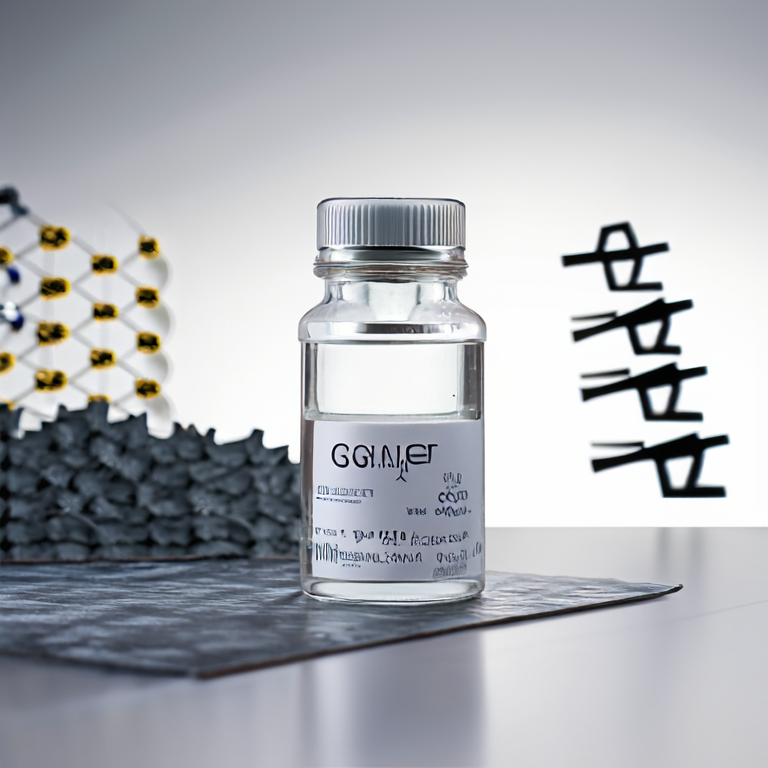
The typical steps include:
| Silanes | Crosslinking Speed | Moisture Resistance | Application Areas |
|---|---|---|---|
| Methyltrichlorosilane | Fast | Excellent | Coatings, Adhesives, Sealants |
| Vinyltrimethoxysilane | Moderate | Good | Adhesives, Sealants |
| Aminopropyltriethoxysilane | Slow | Average | Personal Care |
In the automotive sector, using methyltrichlorosilane contributed to a 30% improvement in adhesive strength and durability of silicone-based components.
Data shows that products manufactured with this silane exhibit a 25% reduction in moisture-related failures.
In conclusion, methyltrichlorosilane plays a significant role in silicone crosslinking systems, making it a preferred choice for manufacturers. Its reactivity, moisture resistance, and versatility are just a few reasons why it remains widely used in various industries. Companies like Hocon continually strive to meet the growing demands for high-quality silanes in the market.
Ready to Get Started?
Contact Hocon Organic Silicon Product suppliers today to bring your idea or design to life sooner!
Please complete the contact form and we aim to get back to you within 24 hours.
Related Products


Cas: N.A
Bis-Aminosilane Polymers are a class of organosilicon compounds characterized by dual amino functional groups (−NH 2−NH 2 or −NHR−NHR) attached to a silane backbone.
Cas: 63148-62-9
Our silicone conformal coating is a high-performance, solvent-based protective layer designed to safeguard electronic components against moisture, dust, chemicals, and temperature extremes. Ideal for printed circuit boards (PCBs), connectors, and sensitive electronics, it provides reliable insulation and long-term durability while maintaining flexi
Cas: 14808-60-7
Silica microspheres, also known as spherical silica powder, are high-purity, fine particles composed primarily of silicon dioxide (SiO₂) with a spherical morphology.
Our Market
Hocon International Co., Ltd. was established in 2015, is a manufacturer specializing in silicone products. Its product varieties include: organosilanes, silicone resin, silicone oil, modified silicone oil and their deep-processing products, the application fields of the products involve daily ...