Cas: N.A
News
The Professional manufacturer of Silicones、 Silanes 、 Silicone Additives & Polymers
 Oct. 30, 2026
Methyltrichlorosilane, also called methylsilyl chloride or MTCS, is an organosilicon compound with the chemical formula CH3SiCl3. It is a clear, moisture-sensitive liquid used to manufacture silicone resins, methylsiloxanes, water-repellent coatings, and surface-treatment chemicals. For industrial buyers, choosing a qualified chloro silane manufacturer such as Hocon helps control raw-material purity, batch consistency, worker safety, and downstream production costs.

Methyltrichlorosilane contains one methyl group and three chlorine atoms bonded to a silicon atom. Its three Si–Cl bonds are highly reactive with water. During hydrolysis, they form silanol groups and release hydrogen chloride:
CH3SiCl3 + 3H2O → CH3Si(OH)3 + 3HCl
The resulting methylsilanetriol can condense into siloxane structures. This chemical reactivity makes methyltrichlorosilane valuable as a functional intermediate rather than as a consumer-ready material.
Because MTCS is moisture-reactive and volatile, it should be handled in a closed system using compatible equipment, dry nitrogen blanketing, corrosion-resistant piping, and appropriate local exhaust ventilation.
The industrial importance of methyltrichlorosilane developed alongside the modern silicone industry. Early silicone manufacturing focused on converting chlorosilanes into organosiloxane polymers and resins. As demand increased for high-temperature sealants, electrical insulation, release coatings, and durable construction materials, manufacturers needed reliable intermediates with predictable hydrolysis and condensation behavior.
Methyltrichlorosilane became particularly important because its trifunctional structure can create branched or cross-linked silicone networks. In comparison, dimethyldichlorosilane is more commonly associated with linear or lightly branched silicone polymers. By adjusting the ratio of methyltrichlorosilane, dimethyldichlorosilane, and other silane intermediates, formulators can control hardness, flexibility, adhesion, hydrophobicity, and thermal performance.
Today, the material is produced and distributed through specialized organosilicon supply chains. A capable China Chloro Silane Supplier must do more than provide a chemical formula. It must manage distillation, moisture control, packaging, dangerous-goods transportation, traceability, and technical communication across international markets.
In controlled production, methyltrichlorosilane is reacted with water, alcohol, or another carefully selected reagent. The hydrolysis step produces reactive silanol groups. These groups then undergo condensation to form Si–O–Si bonds, creating silicone oligomers, resins, or network structures.
Process variables such as water addition rate, temperature, agitation, solvent selection, pH, and HCl removal affect molecular weight and final product performance. Poor moisture control can cause premature gelation, uncontrolled heat release, or off-specification resin.
The methyl groups in the resulting silicone structure provide low surface energy and hydrophobic behavior. For this reason, methyltrichlorosilane-derived materials can improve water resistance on mineral surfaces, fillers, glass, ceramics, and certain composite materials.
Because MTCS has three hydrolyzable chlorine sites, it can contribute to a three-dimensional siloxane network. This network may improve:
One of the largest application areas is the production of silicone resins. MTCS can provide branching and cross-link density in heat-resistant coatings, electrical varnishes, laminating systems, and protective finishes.
Silicone resins are used where conventional organic polymers may lose performance under prolonged exposure to heat, ultraviolet radiation, chemicals, or weathering. The final formulation determines whether the material is rigid, flexible, transparent, or highly cross-linked.
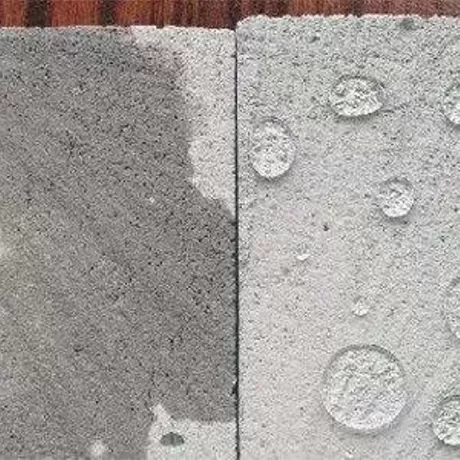
Methyltrichlorosilane derivatives are used in hydrophobic treatment systems for concrete, masonry, glass, mineral fillers, and other inorganic substrates. The treatment lowers surface energy, helping reduce liquid-water penetration while allowing the substrate to retain a degree of vapor permeability.
In construction chemicals, performance is often evaluated through water absorption, contact angle, adhesion, and weathering tests. Buyers should request application-specific test data rather than relying only on a generic claim such as “waterproof.”
Silicone-based materials produced from chlorosilane intermediates are used in electrical insulation, encapsulation, protective coatings, and high-temperature components. Their value comes from a combination of dielectric properties, thermal resistance, flexibility, and resistance to outdoor aging.
For an electrical application, a technical review may include dielectric strength, volume resistivity, thermal aging, flame performance, and moisture resistance. The appropriate test method depends on the final product and market requirements.
Silicone resin systems can create low-friction, non-stick surfaces used in release liners, industrial molds, and specialty processing equipment. Methyl functionality helps reduce surface adhesion, although the final release behavior also depends on resin architecture, curing conditions, substrate preparation, and coating thickness.
MTCS is also used as a building block for customized organosilicon products. Chemical manufacturers may combine it with other chlorosilanes to tune branching, viscosity, cure response, flexibility, and hydrophobicity.
Minor impurities can significantly affect chlorosilane hydrolysis and downstream silicone performance. Water, alcohols, heavy-end siloxanes, residual hydrogen chloride, and other chlorosilane species may alter reaction kinetics or create corrosion and storage problems.
When evaluating a China Chloro Silane Supplier, procurement and process engineers should review:
For reliable quality verification, buyers may request laboratory procedures based on recognized standards. Examples include ASTM D4052 for density measurement, ASTM E1064 for water determination by Karl Fischer titration, and applicable ASTM E300 guidance for chemical sampling. A laboratory operating under ISO/IEC 17025 can provide additional confidence in analytical competence. The exact method and acceptance criteria should be agreed before purchase.
Methyltrichlorosilane is not silicone oil. It is a reactive chlorosilane intermediate that can be converted into siloxanes or silicone resins. Silicone oil is a finished or semi-finished polymeric material with very different handling and performance characteristics.
MTCS may be a liquid with a relatively low boiling point, but it is not an ordinary solvent. Contact with water can generate corrosive hydrogen chloride and release heat. Storage and transfer require dry conditions, compatible materials, grounding, ventilation, and a documented emergency response plan.
High assay is important, but it is not the only quality factor. Hydrolysis behavior, impurity type, packaging condition, batch stability, and compatibility with the customer’s process are equally important. The correct specification should be linked to the intended application.
A certificate of analysis is essential for traceability, but many industrial users still perform incoming verification. Depending on risk level, this may include visual inspection, density, moisture, assay, or other identity testing. Some operations apply 100% container-label and packaging inspection, while analytical testing is conducted according to a statistically defined sampling plan.
Consider a construction-chemical producer whose silane-based masonry treatment showed inconsistent water repellency between batches. An investigation found that the MTCS-derived intermediate was being hydrolyzed with variable water addition and insufficient temperature control.
The producer introduced the following corrective actions:
After process validation, the company achieved more consistent contact-angle and water-absorption results. This example demonstrates an important point: the value of methyltrichlorosilane depends not only on its chemical identity, but also on disciplined storage, dosing, hydrolysis, and quality control.
Whether purchasing laboratory quantities, drums, or bulk volumes, buyers should assess the supplier across technical, commercial, and compliance criteria. A qualified China Chloro Silane Supplier should be able to provide a current SDS, certificate of analysis, packaging details, transport classification, storage guidance, and an escalation contact.
Hocon positions itself as an industrial partner for customers evaluating chlorosilane raw materials. When comparing Hocon with another China Chloro Silane Supplier, request comparable information for every candidate:
A professional Chloro Silane Manufacturer should also help customers match the material to the intended process. For example, a resin producer may need branching control, while a surface-treatment formulator may prioritize hydrolysis profile and storage stability.
Methyltrichlorosilane should be stored in a cool, dry, well-ventilated area away from water, humidity, bases, and incompatible materials. Containers must remain tightly closed and protected from physical damage. Transfer systems should be designed to prevent atmospheric moisture from entering the process.
Before use, organizations should review the current Safety Data Sheet, local chemical inventory requirements, transport regulations, personal protective equipment requirements, and emergency procedures. Operators may require chemical-resistant gloves, protective clothing, eye and face protection, and respiratory protection based on the risk assessment.
Because regulations vary by country and application, the importer and end user remain responsible for confirming registration, labeling, worker protection, and transport compliance in the destination market.
Methyltrichlorosilane is a reactive organosilicon intermediate with the formula CH3SiCl3. Its three hydrolyzable chlorine groups make it useful for producing branched silicone resins, hydrophobic surface treatments, electrical materials, release coatings, and specialty siloxanes.
The most important purchasing considerations are purity, moisture control, packaging, traceability, analytical testing, and safe handling. A dependable China Chloro Silane Supplier such as Hocon can help industrial users reduce batch variation and improve supply-chain reliability when the product specification and application requirements are clearly defined.
Before placing an order, request the SDS, certificate of analysis, test methods, packaging information, and a technical discussion of your process. This is the most effective way to determine whether methyltrichlorosilane is the right raw material for your silicone or surface-treatment application.
Previous:
NoneReady to Get Started?
Contact Hocon Organic Silicon Product suppliers today to bring your idea or design to life sooner!
Please complete the contact form and we aim to get back to you within 24 hours.
Related Products


Cas: N.A
Bis-Aminosilane Polymers are a class of organosilicon compounds characterized by dual amino functional groups (−NH 2−NH 2 or −NHR−NHR) attached to a silane backbone.
Cas: 63148-62-9
Our silicone conformal coating is a high-performance, solvent-based protective layer designed to safeguard electronic components against moisture, dust, chemicals, and temperature extremes. Ideal for printed circuit boards (PCBs), connectors, and sensitive electronics, it provides reliable insulation and long-term durability while maintaining flexi
Cas: 14808-60-7
Silica microspheres, also known as spherical silica powder, are high-purity, fine particles composed primarily of silicon dioxide (SiO₂) with a spherical morphology.
Our Market
Hocon International Co., Ltd. was established in 2015, is a manufacturer specializing in silicone products. Its product varieties include: organosilanes, silicone resin, silicone oil, modified silicone oil and their deep-processing products, the application fields of the products involve daily ...