Cas: N.A
News
The Professional manufacturer of Silicones、 Silanes 、 Silicone Additives & Polymers
 Nov. 17, 2026
Methyl, phenyl, and vinyl chloro silanes are organochlorosilanes in which one or more chlorine atoms are bonded to silicon, while the organic group is methyl, phenyl, or vinyl. This organic group controls the silane’s reactivity, hydrophobicity, thermal performance, and compatibility with polymers. For businesses purchasing coupling agents, silicone intermediates, coatings, or surface-treatment chemicals, selecting the correct chloro silane can improve product performance, process stability, and total production cost. As an experienced chloro silane manufacturer, Hocon helps industrial buyers evaluate chemical structure, purity, packaging, and application requirements before ordering.
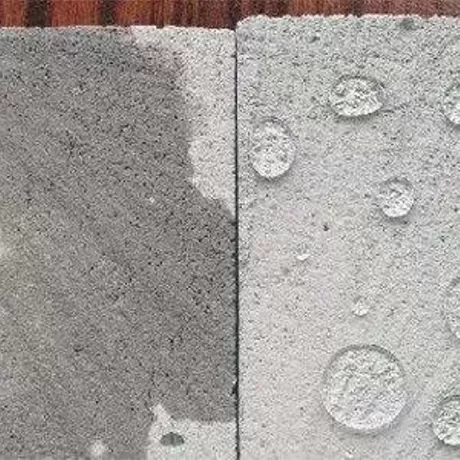
Chloro silanes generally contain silicon–chlorine bonds that react readily with water or hydroxyl groups. During hydrolysis, these bonds form silanols, which can then condense into siloxane networks or bond to inorganic surfaces such as glass, silica, metals, and mineral fillers.
The basic difference is the organic substituent attached to silicon:
The chlorine count also matters. A trichlorosilane generally has higher hydrolytic functionality than a dichlorosilane, while a monochlorosilane has lower functionality. Therefore, the full molecular formula—not only the methyl, phenyl, or vinyl label—must be reviewed during technical selection.
The industrial use of organochlorosilanes expanded with the development of silicone polymers and silicone-based surface treatments. Manufacturers learned that silicon–chlorine bonds could be hydrolyzed and condensed to produce siloxane backbones with valuable properties, including thermal stability, chemical resistance, low surface energy, and weatherability.
Over time, methyl-based silanes became central to high-volume silicone production. Phenyl groups were introduced when improved refractive index, low-temperature flexibility, radiation resistance, or heat resistance was required. Vinyl groups became particularly important as reactive sites for addition-cure silicone systems and polymer modification.
Today, these materials are used in:
| Type | Characteristic organic group | Main performance contribution | Typical industrial role |
|---|---|---|---|
| Methyl chloro silane | –CH3 | Hydrophobicity, process economy, silicone backbone formation | Silicone fluids, resins, elastomers, surface treatment |
| Phenyl chloro silane | –C6H5 | Higher polarizability, refractive index, thermal and low-temperature performance | Optical materials, specialty resins, heat-resistant silicone systems |
| Vinyl chloro silane | –CH=CH2 | Organic unsaturation for further polymer reaction | Addition-cure silicone, polymer modification, reactive coatings |
Methyl groups are relatively small and nonpolar. They provide excellent water repellency and help produce silicone materials with low surface energy. Methyl chloro silanes are often selected when the priority is efficient silicone backbone construction, flexible processing, and cost control.
For example, methyltrichlorosilane can contribute a highly functional siloxane structure after hydrolysis and condensation. Dimethyldichlorosilane is widely associated with the production of more linear or chain-forming silicone structures. The final polymer architecture depends on the ratio of mono-, di-, and trifunctional silanes.
The phenyl group is larger and more polarizable than the methyl group. As a result, phenyl-containing silicone materials may offer higher refractive index, improved resistance to certain thermal environments, and better flexibility at low temperatures, depending on the formulation.
Phenyl chloro silanes are useful in specialty silicone resins, optical-grade materials, high-temperature coatings, and electronic applications. However, the phenyl group can increase viscosity, density, and raw-material cost. It may also change cure behavior and compatibility with other formulation components.
Vinyl chloro silanes contain a carbon–carbon double bond. This unsaturation can participate in hydrosilylation and other addition reactions, making vinyl functionality valuable in addition-cure silicone systems.
Vinyltrichlorosilane may be used as an intermediate for producing silicone materials with reactive vinyl groups. In a typical addition-cure system, vinyl-functional silicone polymers react with Si–H-functional compounds in the presence of a platinum catalyst. The chloro silane itself is not the complete curing system; catalyst selection, inhibitor concentration, stoichiometric ratio, and moisture control also affect performance.
Methyl chloro silanes are commonly selected for general-purpose silicone fluids, elastomers, and resins because they provide a practical balance of reactivity, hydrophobicity, and cost. Phenyl chloro silanes are added when a formulation needs specialized optical, thermal, or low-temperature characteristics. Vinyl chloro silanes are selected when the finished polymer must retain reactive vinyl functionality.
Chloro silanes can react with hydroxylated surfaces, but they are highly moisture-sensitive. In glass-fiber or mineral-filler treatment, the substrate condition, solvent system, hydrolysis rate, and drying temperature are critical. A methyl-containing structure may emphasize water repellency, while a vinyl-containing structure may improve compatibility with unsaturated resins or addition-curing polymers.
Phenyl functionality is often considered for optical encapsulants and specialty silicone materials because it can increase refractive index and modify thermal behavior. Vinyl functionality is valuable when a controlled addition-cure network is required. The final choice should be based on measured properties such as refractive index, viscosity, gel time, hardness, dielectric performance, and thermal aging—not on chemical name alone.
This is incorrect. The organic group and chlorine functionality directly affect hydrolysis, condensation, compatibility, cure response, and final polymer properties. Even two products with similar purity may behave differently because their molecular structures are different.
Higher chlorine functionality can increase crosslinking potential, but excessive functionality may cause rapid gelation, poor process control, or a brittle final network. The correct functionality depends on the target molecular architecture and process conditions.
Vinyl functionality provides a reactive double bond, but curing generally requires a compatible Si–H component and an appropriate catalyst system. Vinyl chloro silane should be viewed as a reactive intermediate or functional monomer, not as a universal standalone curing agent.
Purity is important, but buyers should also examine water content, acidity, inhibitor level, trace metals, color, residual solvent, storage stability, and batch consistency. For moisture-sensitive materials, packaging integrity can be as important as the certificate of analysis.
When evaluating a China Chloro Silane Supplier, request a product specification and a batch-specific certificate of analysis before commercial approval. A reliable supplier should explain the analytical method and acceptance criteria instead of providing only a nominal purity value.
Important quality-control items may include:
Specifications should be agreed in writing. For example, a buyer may require a minimum assay of 99.0%, moisture below 0.05%, 100% batch inspection before shipment, and a 24-hour response to technical questions. These figures are purchasing requirements, not universal standards; the correct limits depend on the specific methyl, phenyl, or vinyl product.
Chloro silanes react with atmospheric moisture and can release hydrogen chloride during hydrolysis. This creates corrosive and irritating vapors. Handling should therefore be performed by trained personnel using a closed transfer system, suitable ventilation, chemical-resistant gloves, eye and face protection, and an approved emergency-response procedure.
Before use, review the supplier’s Safety Data Sheet and confirm:
A China Chloro Silane Supplier should provide an up-to-date SDS, technical data sheet, lot number, packaging details, and export documentation. Never mix a moisture-sensitive chloro silane with water or an unapproved solvent during scale-up.
A coating manufacturer wants low water absorption and economical silicone production. A methyl chloro silane is a logical starting point because the methyl group supports hydrophobicity and broad silicone compatibility. The formulator should then test contact angle, water uptake, adhesion, viscosity, and accelerated weathering.
An electronics company needs an encapsulant with improved optical performance and thermal stability. A phenyl chloro silane may be evaluated because phenyl functionality can raise refractive index and alter thermal behavior. The development program should measure refractive index, transmittance, yellowing, hardness, coefficient of thermal expansion, and aging performance.
A manufacturer is developing a platinum-catalyzed addition-cure elastomer. A vinyl chloro silane may be considered as a route to vinyl-functional silicone intermediates. The technical team must control the vinyl equivalent, Si–H-to-vinyl ratio, inhibitor level, catalyst concentration, and cure profile. Testing should include Shore hardness, tensile strength, elongation, compression set, and post-cure stability.
For procurement teams, the best Chloro Silane Manufacturer is not simply the one offering the lowest price. The supplier should support chemical identification, specification review, sample evaluation, packaging selection, and repeat-batch consistency.
Hocon can be included in a qualified-supplier process by asking for:
When comparing a China Chloro Silane Supplier, buyers should also verify production traceability, export experience, container sealing, loading procedures, and the supplier’s ability to maintain the same specification across multiple batches. If the application involves precision components, the chemical specification should be linked to the finished-product requirement—for example, coating thickness controlled to 0.01 mm where the process requires that level of precision.
Methyl chloro silanes are often the first candidates because methyl groups provide low surface energy and hydrophobic behavior. The final result still depends on substrate preparation, hydrolysis conditions, curing, and coating formulation.
Phenyl chloro silanes may be useful in high-temperature or low-temperature specialty formulations, but performance must be confirmed through thermal aging and mechanical testing. They are not automatically superior in every application.
They introduce vinyl functionality, which can provide a reactive site for hydrosilylation and addition-cure chemistry. The vinyl group must be matched with the correct Si–H-functional component and catalyst system.
Ask for the exact chemical structure, CAS number, assay method, moisture limit, COA, SDS, packaging specification, shelf life, transport documents, and sample test results. Also request confirmation that the commercial batch will meet the approved specification.
The answer to What Is the Difference Between Methyl, Phenyl and Vinyl Chloro Silanes? is fundamentally a question of molecular functionality. Methyl groups mainly support hydrophobicity and economical silicone production; phenyl groups modify refractive index and thermal behavior; vinyl groups provide reactive unsaturation for addition chemistry. Chlorine functionality, purity, moisture, packaging, and process conditions are equally important.
Before selecting a product, define the required polymer architecture and performance targets, obtain a verified COA and SDS, run application testing, and qualify the supplier. A technically capable China Chloro Silane Supplier such as Hocon can help industrial buyers move from chemical selection to a safer, more consistent production process.
Previous:
NoneReady to Get Started?
Contact Hocon Organic Silicon Product suppliers today to bring your idea or design to life sooner!
Please complete the contact form and we aim to get back to you within 24 hours.
Related Products


Cas: N.A
Bis-Aminosilane Polymers are a class of organosilicon compounds characterized by dual amino functional groups (−NH 2−NH 2 or −NHR−NHR) attached to a silane backbone.
Cas: 63148-62-9
Our silicone conformal coating is a high-performance, solvent-based protective layer designed to safeguard electronic components against moisture, dust, chemicals, and temperature extremes. Ideal for printed circuit boards (PCBs), connectors, and sensitive electronics, it provides reliable insulation and long-term durability while maintaining flexi
Cas: 14808-60-7
Silica microspheres, also known as spherical silica powder, are high-purity, fine particles composed primarily of silicon dioxide (SiO₂) with a spherical morphology.
Our Market
Hocon International Co., Ltd. was established in 2015, is a manufacturer specializing in silicone products. Its product varieties include: organosilanes, silicone resin, silicone oil, modified silicone oil and their deep-processing products, the application fields of the products involve daily ...